The New Language Codes in Virtual Communication: Emojis, GIFs, and the Evolution of Digital Language
Transformation of Communication in the Digital Age
In today’s digital landscape, the way we communicate has undergone a remarkable transformation. Traditional forms of communication that relied heavily on written and spoken words have evolved to incorporate a rich tapestry of visual elements. This evolution enhances our messages, making them more engaging and relatable.
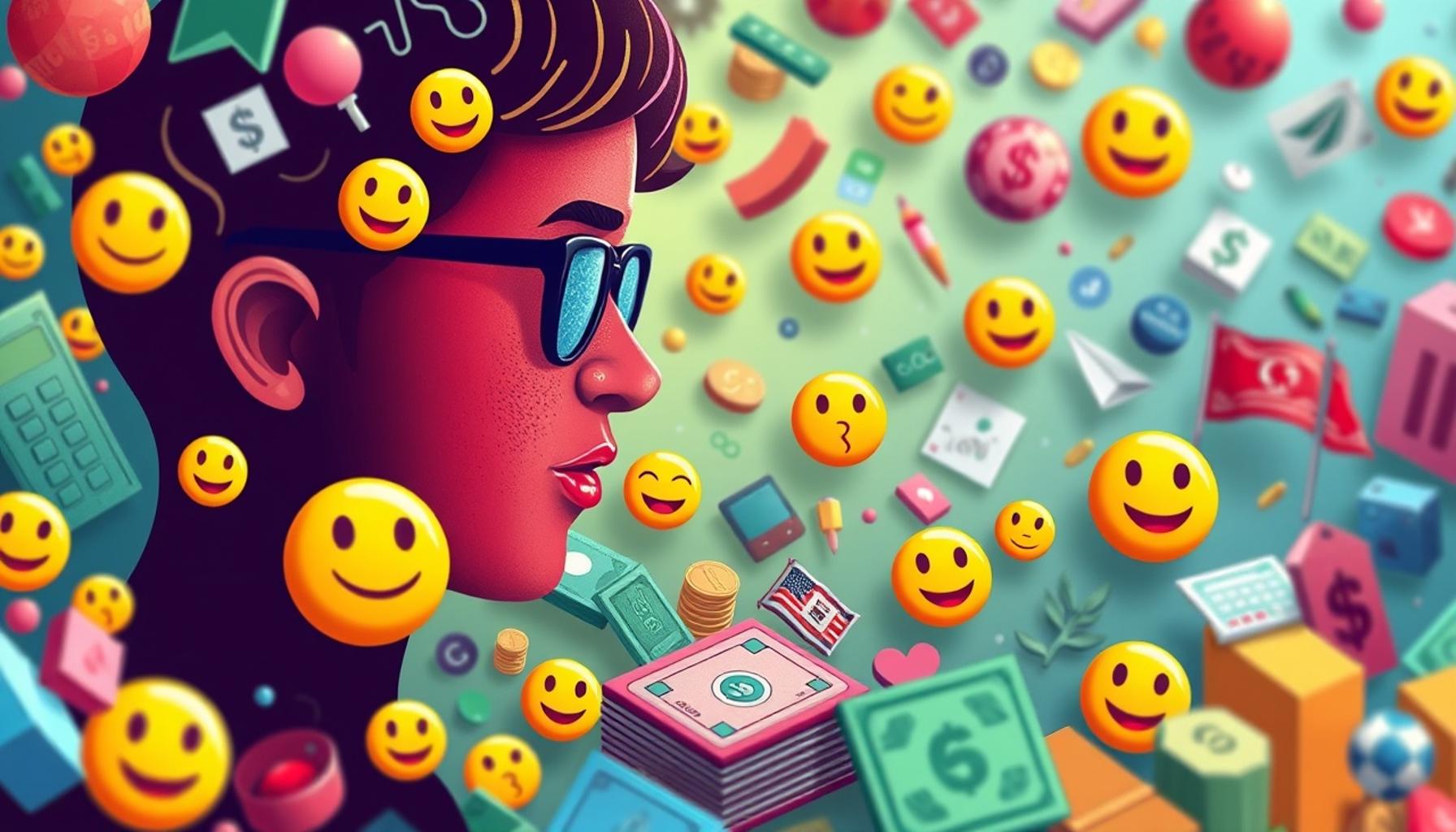
The rise of emojis, GIFs, and stickers signifies a cultural shift towards a more visual vocabulary. These tools allow individuals to express emotions and nuances that words alone can often fail to convey.
Emojis: The Modern Hieroglyphics
Emojis have evolved from simple smiley faces to a diverse array of over 3,000 options, representing everything from facial expressions to animals, food, and even professions. For example, sending a simple smiley emoji 😊 can convey happiness, while the face with tears of joy 😂 can express laughter or gratitude. In text exchanges, these small images can significantly alter the tone of a conversation, transforming what could be misinterpreted as seriousness into a lighthearted exchange.
GIFs: Capturing Motion and Emotion
Alongside emojis, GIFs have found their niche in contemporary communication. These animated images can capture a specific emotion or reaction, often serving as a shorthand for complex feelings. For instance, a reaction GIF from a popular TV show can convey disbelief or excitement in a way that scripted text might struggle to achieve. Using a well-timed GIF in a conversation can create an instant connection and evoke shared cultural experiences among participants.
Stickers: Personal Touch in Digital Conversations
Stickers add an additional layer of personality to our digital exchanges. Larger and often more colorful than emojis, stickers can convey complex sentiments, ranging from affection to humor. Many messaging platforms offer themed sticker packs that align with specific holidays or events, allowing users to enhance their digital greetings further. For instance, sending a festive Christmas sticker can bring warmth and cheer to an otherwise standard text message.
The integration of these visual elements into our daily communication reflects a broader trend towards expressing feelings and ideas through immediate, clear mediums—essential in our fast-paced, tech-driven world. Text alone can often leave messages open to interpretation, but the use of emojis, GIFs, and stickers helps alleviate ambiguity and foster a sense of connection.
As we continue to rely on digital communication, understanding the impact and nuances of these tools will prove essential. Recognizing how they shape our interactions not only enriches our ability to convey messages but also reflects our evolving language and cultural practices in this digital age.
DIVE DEEPER: Click here to uncover more insights
The Role of Emojis, GIFs, and Stickers in Everyday Communication
As digital communication becomes an integral part of our daily lives, it is essential to understand how emojis, GIFs, and stickers enhance our interactions. These elements not only serve as decorative additions to our messages but also play a critical role in expressing emotions, establishing tone, and facilitating understanding. Let’s delve deeper into each of these components and explore their significance in our virtual dialogues.
The Power of Emojis in Emotional Expression
Emojis have transitioned from being mere novelty icons to essential tools for modern communication. They bridge the emotional gap of textual messaging by providing visual cues that help convey feelings. Here are some examples of how emojis can alter the meaning of a message:
- If someone texts, “I can’t believe you did that… 🙁” it might imply disappointment, whereas “I can’t believe you did that… 😜” conveys a teasing tone.
- A heart emoji ❤️ used in a message can express affection, turning a plain text into a heartfelt sentiment.
- Utilizing the thumbs-up emoji 👍 can affirm agreement or approval, making it clear even without words.
This visual shorthand helps reduce misunderstandings, enabling the receiver to grasp the sender’s intent more effectively. In a world where tone can easily be misinterpreted, emojis provide a universal language that transcends linguistic barriers.
GIFs: The Language of Motion and Shared Culture
GIFs, or Graphics Interchange Format files, have carved out a niche in digital communication as dynamic visuals that represent ideas and feelings instantly. They capture reactions and sentiments in an entertaining manner, facilitating a unique form of expression. The following are some ways GIFs enhance conversations:
- They can encapsulate a reaction—like a face-palm in disbelief or an animated celebration of good news—creating an emotional connection.
- Popular culture references in GIFs can evoke shared laughter or nostalgia, enriching normative conversations among friends.
- They add a playful element to conversations that text alone cannot achieve, making exchanges feel less formal and more relatable.
For example, a classic GIF of a cat dancing can lighten the mood in a tense discussion, allowing participants to express camaraderie and ease. In contrast to static images or plain text, GIFs harness the power of motion to communicate feelings and reactions more vividly.
Stickers: Amplifying Personality in Texting
Stickers serve as an extension of both emojis and GIFs, often featuring larger and more colorful designs. They present opportunities for creativity and personalization that enrich text conversations. Stickers can embody a character, an animal, or even themed graphics that convey messages like celebrations or sympathy. Here are some notable features of stickers:
- Thematic collections can make messaging seasonal or relevant. For instance, birthday stickers can add festive cheer to a simple greeting.
- Stickers can allow users to showcase their personality or interests, reflecting a more robust identity than emojis alone.
- They often portray exaggerated emotions that can amplify the tone of a conversation, such as a crying sticker to signify sadness or a winking sticker to flirt.
By incorporating stickers into conversations, users can create a more vibrant and unique mode of interaction, making digital conversations feel more personal and expressive.
The rise of emojis, GIFs, and stickers marks a significant shift in how we convey feelings in the virtual realm. By understanding these new language codes, we can embrace the evolution of communication, enriching our digital dialogues in meaningful ways.
DISCOVER MORE: Click here to unlock your free wardrobe
The Impact of Cultural Context and Trends on Digital Communication
Understanding how emojis, GIFs, and stickers evolve goes beyond their individual roles in communication. It also encompasses the cultural context in which they are used and the trends that influence their popularity. As these digital tools continue to adapt, let’s explore their interconnection with culture and social trends, enhancing their effectiveness in communication.
Cultural Nuances in Emoji Use
The meaning of emojis can vary greatly across different cultures, illustrating how cultural context shapes digital language. A simple smiley face 😊 might represent happiness in one culture but can be interpreted differently in another setting. Here are some considerations that exemplify this cultural influence:
- In Japan, many emojis feature designs that reflect local aesthetics, such as cherry blossoms 🌸 or the iconic “kawaii” (cute) style, while Western cultures may focus more on simplified emoticons.
- Some emojis can carry multiple meanings depending on geographical context. For example, the thumbs-up emoji 👍 may signify approval in the United States but is considered offensive in parts of the Middle East.
- Regional differences also shape which emojis become popular. For instance, the celebration of holidays like Thanksgiving or Lunar New Year can lead to a surge in themed emojis, personalized to resonate with specific audiences.
Being aware of these cultural nuances allows users to communicate more effectively in a globalized digital space. This understanding fosters respect and minimizes misunderstandings, essential in our interconnected world.
Trends Influencing GIF Popularity
GIFs have transformed significantly, often reflecting prevailing trends in entertainment, social media, and current events. Their popularity surged with platforms like Tumblr and Twitter, where sharing quick visual snippets became a staple of communication. Here are some factors that contribute to the rise and evolution of GIFs:
- The emergence of social media influencers has driven the creation and sharing of GIFs that capture trending moments, often related to viral challenges or memes.
- Platforms like Giphy have made accessing and creating GIFs easier, further embedding them into our everyday communication.
- GIFs often draw from popular television shows, movies, or viral moments, which provides a communal experience for users as they reference shared cultural touchpoints.
By integrating GIFs that reflect current trends, communicators can tap into collective sentiments, making their conversations relevant and engaging. This reliance on shared cultural experiences enriches communication and provides a sense of community among users.
The Rise of Personalized Stickers: Creating Connection
As virtual communication evolves, so does the demand for individualized content. Stickers reflect this trend, allowing users to convey personal sentiments and foster unique connections. Here are notable elements that illustrate the importance of personalization in sticker usage:
- Many messaging apps have introduced customizable sticker packs, enabling users to create their own stickers that represent specific emotions or inside jokes among friends.
- Emoticons or stickers featuring characters that exemplify popular cultural icons can become a way for users to express themselves in a relatable manner, further bridging connections.
- Stickers can be used for exclusive branding, helping businesses communicate values or sentiments that resonate with target audiences, thus enhancing customer engagement.
This personal touch fortifies relationships in digital communication, making exchanges feel more intimate, even when they occur across vast distances.
Overall, cultural context and current trends deeply influence the use of emojis, GIFs, and stickers in digital communication. By embracing these elements, users can improve their online interactions, ensuring that messages are not only understood but also appreciated in the broader cultural landscape.
EXPLORE: Click here to find out more
Conclusion: Embracing the Future of Digital Language
In a world that continues to shift towards digital communication, the emergence of emojis, GIFs, and stickers represents a dynamic evolution in the way we express ourselves. These new language codes offer a rich palette of emotional nuance and cultural relevance that words alone may fail to convey. As we delve into the cultural context and evolving trends surrounding these digital tools, we become more adept at navigating the complexities of virtual communication.
We have seen how cultural differences play a pivotal role in the interpretation of emojis, prompting us to approach digital correspondence with a heightened awareness. Additionally, the popularity of GIFs reflects our collective engagement with culture and current events, allowing us to participate in shared dialogues that transcend geographical boundaries. Personalized stickers further enrich our interactions, enabling us to communicate uniquely and intimately, fostering connections that resonate deeply with our friends and family.
As these communication methods continue to evolve, we must remain adaptable and open-minded, embracing the possibilities they create for expressing thoughts and emotions in this fast-paced digital era. By appreciating the subtlety and complexity behind these new language codes, we can enhance our online communication, ensuring that our interactions are not only effective but also meaningful. Ultimately, the future of digital language hinges on our understanding and utilization of these vibrant tools, forging pathways to more profound connections in an interconnected world.

Linda Carter
Linda Carter is a writer and expert known for producing clear, engaging, and easy-to-understand content. With solid experience guiding people in achieving their goals, she shares valuable insights and practical guidance. Her mission is to support readers in making informed choices and achieving significant progress.