
The Evolution of User Interfaces: The Future of Digital Interactions
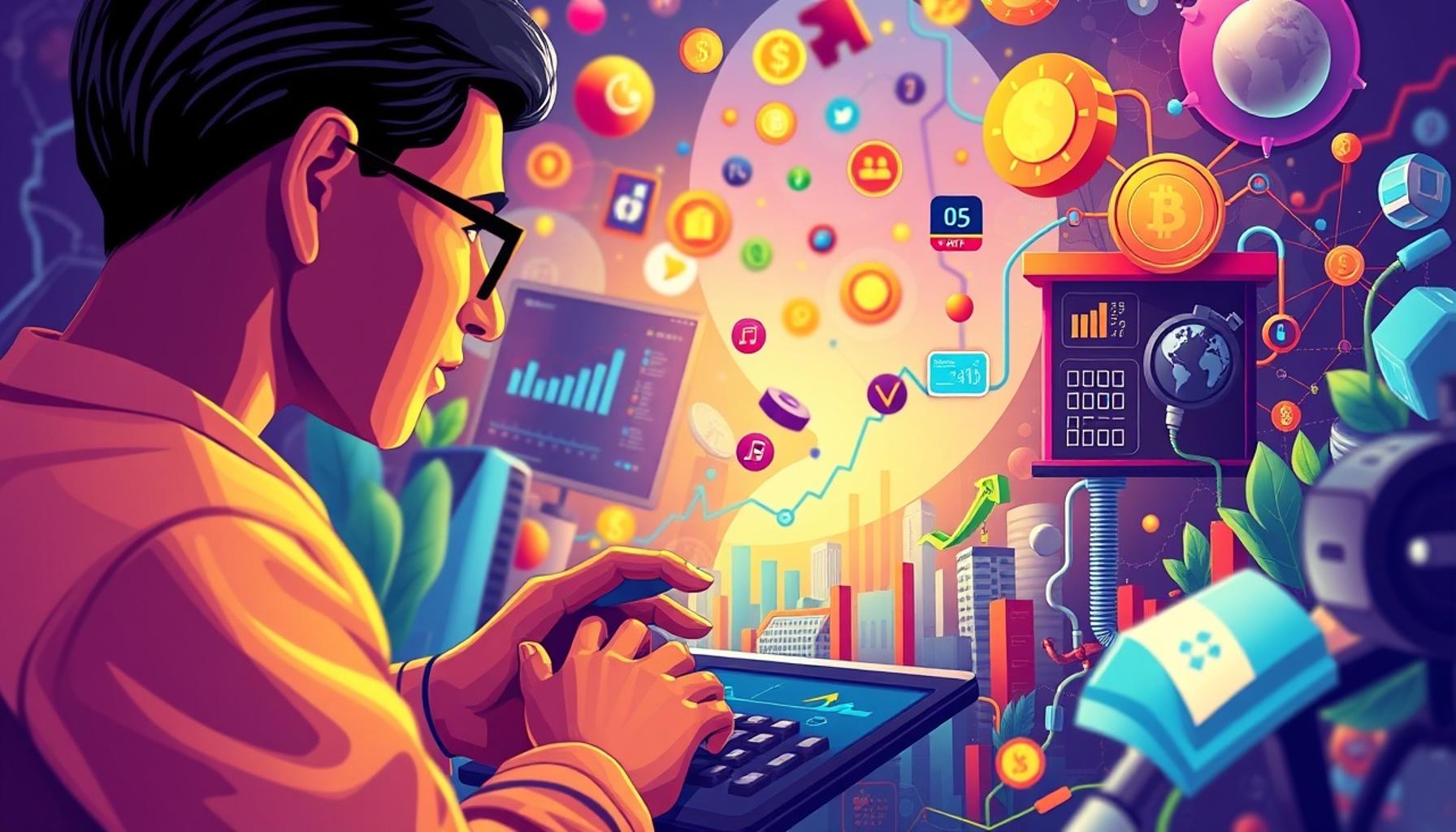
The Evolution of User Interfaces
User interfaces (UIs) have evolved significantly in recent decades, fundamentally changing how we engage with technology. In the early days of computing, interaction was primarily through command lines, requiring users to memorize complex commands. This approach, while powerful, often alienated users who lacked technical knowledge. Today, we have transitioned to more intuitive methods, such as graphical user interfaces (GUIs) and touchscreens, which have opened the doors for broader accessibility.
Understanding this evolution is vital for anyone involved in the digital landscape. It serves as a reminder of several key aspects of technology that have driven its design and functionality:
- The rapid pace of technological advancements: Features like voice recognition and artificial intelligence (AI) are not just supplementary features; they have become core components of user experiences. For instance, virtual assistants like Siri and Alexa utilize AI to help users execute tasks through simple vocal commands, making technology more approachable.
- The importance of accessibility: Today’s interfaces are designed to be inclusive. Tools such as screen readers and voice-controlled applications address the needs of users with disabilities. An example can be seen in the accessibility features on smartphones, which ensure that individuals with visual impairments can still navigate their devices effectively.
- The shift to mobile and cloud-based solutions: Smartphones represent a massive shift in how we consume and engage with information. Applications that relied on desktop computers are now conveniently available on mobile devices. Cloud solutions, such as Google Drive, have enabled seamless access to information anytime, anywhere, fostering productivity and collaboration.
Looking forward, the future of user interfaces promises exciting innovations that will further enhance our digital interactions. Emerging trends include:
- Augmented Reality (AR) and Virtual Reality (VR): These technologies are paving the way for immersive experiences that blend the digital and physical worlds. For example, AR applications in retail allow consumers to visualize how furniture will look in their homes before making a purchase.
- Natural Language Processing (NLP): This is enhancing user interactions by enabling devices to understand and respond to conversational language. Chatbots in customer service exemplify this trend, providing immediate assistance while improving user satisfaction.
- Gesture and motion control: Technologies that recognize gestures are allowing users to interact with devices through simple physical movements, much like how we interact with one another. For instance, gaming consoles like the Xbox utilize motion sensors to create an engaging and interactive gaming experience.
As digital interactions continue to evolve, the importance of creating error-free, engaging interfaces cannot be overstated. By studying past and present trends in user interfaces, we position ourselves to embrace future developments that could redefine our digital engagements and personal interactions with technology.
DON’T MISS OUT: Click here to uncover insider tips
The Foundations of Modern User Interfaces
The progression from command line interfaces to today’s sophisticated graphical user interfaces (GUIs) and touchscreens is a testament to technology’s adaptability and focus on user experience. Initially, early computers required users to input commands via text, making the systems accessible only to those with specific technical skills. The steep learning curve often resulted in frustration, which in turn limited the potential user base. However, as technology evolved, the need for more user-friendly systems became clear, leading to significant advancements in UI design.
The introduction of GUIs in the 1980s marked a pivotal moment in how users interact with technology. These interfaces incorporated visual elements, such as windows, icons, and menus, allowing users to navigate systems more intuitively. This was particularly crucial as personal computing began to permeate households across the United States. The success of GUIs can be largely attributed to their ability to lower the barrier of entry for everyday users, encouraging wider adoption of technology.
The Expansion of Interaction Methods
As digital devices became more ingrained in daily life, diverse interaction methods emerged to cater to different user preferences and contexts. The advent of mobile technology accelerated this evolution, fostering new ways for users to engage with applications and content on-the-go. Today, we have several prominent interaction methods, including:
- Touchscreen Interfaces: The rise of smartphones and tablets brought touch interactions to the forefront. Swipes, taps, and pinch-to-zoom gestures have transformed how we navigate apps and websites, making technology even more accessible. Consider how users can easily scroll through social media feeds or expand images with a simple touch, enhancing their overall experience.
- Voice User Interfaces (VUIs): With the growing prominence of smart assistants like Amazon’s Alexa and Google Assistant, voice commands have become a key method for interacting with technology. These interfaces allow for hands-free operations, benefiting users who may find manual input challenging, such as those driving or performing other tasks simultaneously.
- Wearable Technology: Devices like smartwatches and fitness trackers represent the convergence of technology with our daily routines. These wearables often use specialized user interfaces designed specifically for quick interactions—users can glance at notifications or track their health metrics with minimal effort, symbolizing the shift toward convenience and immediacy.
This diversification of user interaction methods illustrates the ongoing commitment to enhancing user experience and meeting the varying needs of different demographics. With a greater understanding of how users interact with technology, designers are increasingly able to craft interfaces that prioritize user comfort, satisfaction, and efficiency.
As we move further into an age characterized by rapid technological growth, the future of user interfaces is poised for even more remarkable changes, combining innovative technologies to create seamless and intuitive ways for users to connect with their digital environments.
DIVE DEEPER: Click here to discover insider tips
Emerging Technologies Shaping User Interfaces
As we continue to witness the rapid evolution of user interfaces, emerging technologies are set to reshape our interactions with digital devices in profound ways. Innovations such as augmented reality (AR), virtual reality (VR), and artificial intelligence (AI) are not just transforming the look of interfaces but also enhancing the functionality and accessibility of technology in everyday situations.
Augmented and Virtual Reality
Augmented Reality overlays digital information onto the real world, enriching our interaction with both our environment and technology. For example, retail companies are employing AR to revolutionize the shopping experience. Users can visualize how furniture will look in their homes using apps like IKEA Place, allowing them to make more informed purchase decisions. This interactive experience bridges the gap between the physical and digital, creating a more immersive shopping experience.
Virtual Reality, on the other hand, transports users into fully immersive digital environments. Applications extend far beyond entertainment and gaming; they are now making their way into education and training. For example, medical students can practice surgical procedures in a simulated environment, gaining valuable hands-on experience without real-world risks. This innovative use of VR demonstrates the potential of technology to influence learning and skill development.
Artificial Intelligence and Machine Learning
Artificial Intelligence (AI) is another pivotal technology shaping future user interfaces. By harnessing machine learning, systems can learn from user interactions and adapt accordingly. This results in more personalized experiences tailored to individual needs and preferences. For instance, AI-powered recommendation systems on platforms like Netflix analyze user behavior to suggest content, ensuring that the experience feels curated and relevant.
Moreover, AI-driven chatbots and customer support systems enhance user interaction by providing instant assistance. For example, companies like Zendesk have integrated AI tools that respond to inquiries in real time, improving user satisfaction and efficiency. By streamlining communication channels, these interfaces reflect a growing emphasis on responsiveness in digital interactions.
Gesture and Emotion Recognition
The future of user interfaces may also include enhanced gesture and emotion recognition. This technology could enable devices to interpret user intentions through body language or facial expressions. For instance, imagine controlling a device with simple hand gestures or even having it adjust settings based on your mood—peaceful music when you look relaxed or an alert tone when you appear stressed. This evolution will further humanize the interaction with devices, making technology feel more intuitive and responsive to our emotional states.
As these technologies continue to develop, they promise to usher in a new era of user interfaces that prioritize not just efficiency, but also engagement and emotional connectivity. With each improvement, the barriers between humans and technology fade, creating a landscape where our digital interactions are not only more natural but also profoundly enriching.
DON’T MISS OUT: Click here to unlock your free Shein clothes
Conclusion: Embracing the Future of Digital Interactions
As we stand on the brink of a technological revolution, the evolution of user interfaces is becoming increasingly significant. We have explored how innovations like augmented reality, virtual reality, and artificial intelligence are not only enhancing how we interact with technology but also making our experiences more intuitive and personalized. The shift from traditional interactions to more immersive and engaging formats signifies a broader cultural change toward greater interconnectedness with our digital environments.
Looking ahead, it is clear that user interfaces will continue to integrate more human-like attributes, such as gesture and emotion recognition. These advancements will further bridge the gap between humans and machines, allowing for more seamless interactions. Imagine a world where your devices not only understand your commands but also respond empathetically to your emotional state, creating a more responsive and comforting digital presence in our lives.
In conclusion, as we embrace these emerging technologies, it is essential for designers and developers to prioritize inclusivity and accessibility in user interface design. By doing so, we can ensure that the future of digital interactions is not just about cutting-edge innovation, but also about creating meaningful connections among all users. The journey toward an interconnected world is just beginning, and with it, the potential for enriching our everyday lives through technology is limitless. As we move forward, let us remain curious and open to the possibilities that lie ahead in this rapidly evolving landscape.

Linda Carter
Linda Carter is a writer and expert known for producing clear, engaging, and easy-to-understand content. With solid experience guiding people in achieving their goals, she shares valuable insights and practical guidance. Her mission is to support readers in making informed choices and achieving significant progress.