The Influence of Nigerian Culture on Pet Food Preferences
The Cultural Landscape of Pet Food in Nigeria
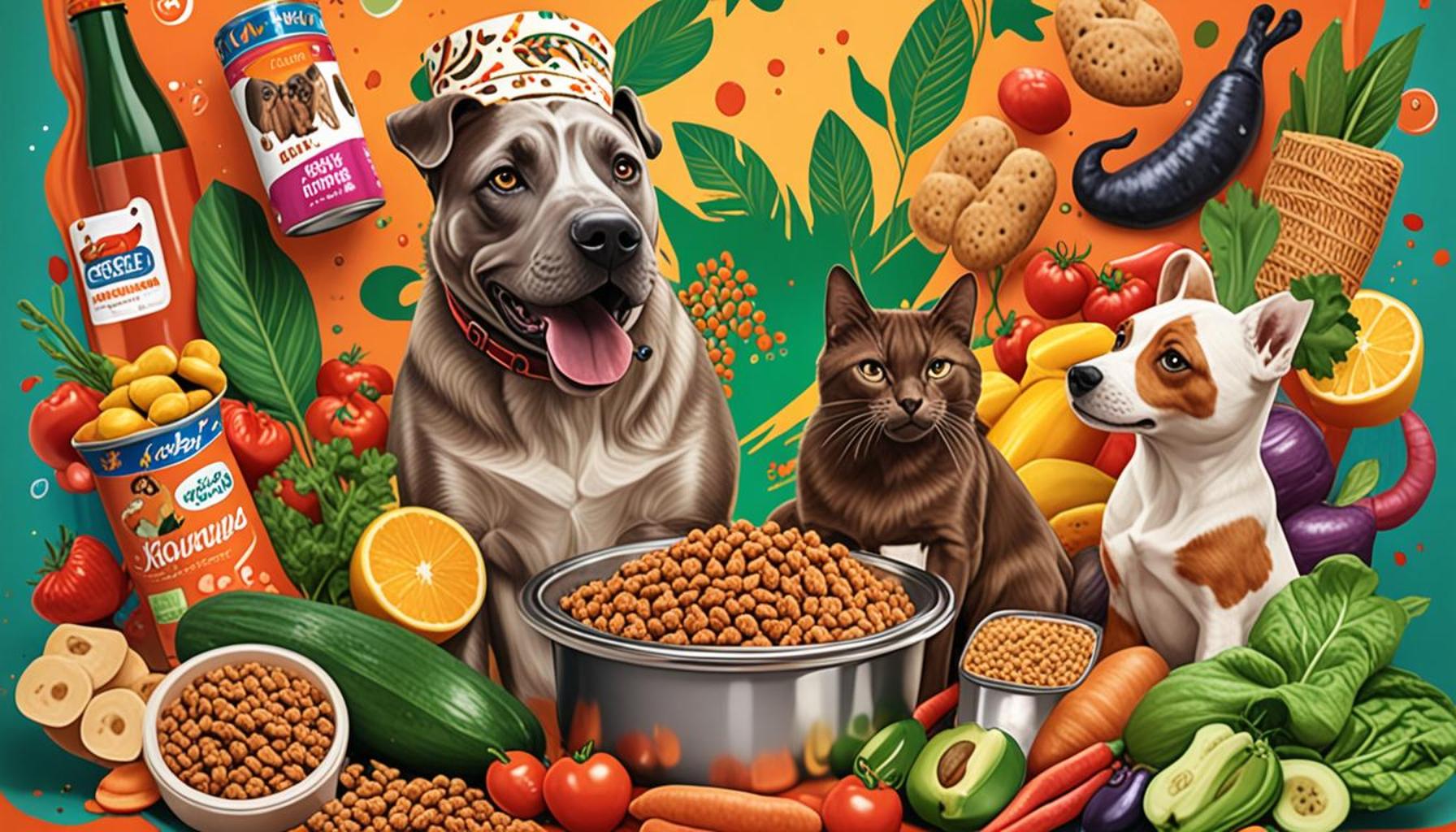
In Nigeria, the bond between humans and their pets is deeply embedded in the culture, characterized by various beliefs and practices that influence pet food choices. This relationship not only embraces companionship but also reflects traditional values, economic conditions, and health-conscious perspectives among pet owners across the nation.
One significant factor shaping these choices is traditional diets. Many Nigerian pet owners prefer using locally sourced ingredients when preparing food for their animals, echoing their culinary practices. For instance, ingredients such as rice, beans, yam, and fresh vegetables are commonly utilized, often cooked in a manner similar to human food. The appeal of homemade pet food lies in the belief that it is healthier and free from the additives often found in commercial pet foods. In a country where rural communities thrive on agriculture, utilizing farm-fresh ingredients not only supports local farmers but also ensures that pets receive a balanced diet tailored to regional food availability. As a result, you might find dogs eating a hearty mix of rice and fish stew, a meal that resonates with the local palate.
Economic considerations also play a critical role in pet food preferences. The economic landscape in Nigeria can be quite challenging for many families, making affordability a key concern. Pet owners often turn to budget-friendly options, relying on what is available and financially accessible. This can lead to a reliance on table scraps or more affordable protein sources such as chicken, goat, or even insects. The rising prices of commercial dog food may compel owners to prioritize the more economical homemade alternatives, which can contribute to dietary creativity but may also lead to nutritional imbalances.
Additionally, health beliefs significantly impact pet food choices. Many Nigerian pet owners are influenced by cultural beliefs regarding the health benefits of certain foods. For example, some may believe that feeding pets certain spices or roots can enhance their vitality or ward off illnesses. The inclusion of natural remedies, such as ginger or bitter leaves, reflects a broader perspective where animal nutrition is interconnected with traditional herbal medicine. This approach underscores a holistic view of health that many Nigerians hold, where diet is seen as a direct influence on well-being.
The prominence of pets within family life in Nigeria further complicates the landscape of pet food preferences. Pets are often treated as integral members of the household, and food preparation might involve rituals that reinforce the bond between pets and their owners. Celebrations such as birthdays or festive gatherings occasionally include special meals for pets, underscoring their importance in familial structures. Such practices reveal a blend of affection and cultural sensitivity that guides the culinary choices made for these cherished animals.
In conclusion, the culture surrounding pet food choices in Nigeria is multifaceted, intertwining traditional practices with modern economic realities. By exploring the unique interplay between local ingredients, economic constraints, and health beliefs, it becomes evident that Nigerian pet owners are navigating a complex landscape filled with love, care, and cultural identity. This intricate relationship between culture and pet nutrition invites further investigation, offering a treasure trove of insights for both pet lovers and those intrigued by culinary traditions.
RECOMMENDED: Check out this similar article
Traditional Ingredients and Their Role in Pet Nutrition
The foundation of pet food choices in Nigeria is heavily influenced by traditional ingredients that reflect local culinary practices. Many pet owners choose to prepare their pets’ meals using items readily available in their households. Common staples like cassava, maize, and palm oil are often mixed with proteins such as chicken, fish, or goat meat, creating meals that mirror the diets of the human family. This customization not only caters to the pets’ nutritional needs but also aligns with the owners’ cultural habits of cooking.
The embrace of traditional ingredients speaks to a broader sense of community and sustainability. Local markets are typically bustling with vendors selling fresh produce and animal products. Many Nigerian pet owners prefer to support these vendors by purchasing locally sourced food for their pets, further reinforcing the connection between pet care and community well-being. In doing so, they contribute to the local economy while ensuring that their pets consume the freshest, healthiest options available. This practice underscores the notion that pet food in Nigeria is not merely a commercial transaction, but a cultural expression grounded in the values of locality and freshness.
Moreover, traditional knowledge about animal care shapes what is viewed as nutritious for pets. For example, many Nigerians believe in using herbs and vegetables known for their health benefits. Commonly added items include:
- Bitter leaf – known for its health benefits and believed to enhance vitality.
- Ginger – often used for its medicinal properties.
- Garlic – incorporated for its purported ability to ward off pests and illnesses.
These ingrained beliefs guide owners in selecting foods that they perceive as beneficial for their pets, interweaving notions of animal care with traditional herbal medicine practices. The impact of these ingredients is evident in the meals prepared, where each dish serves as a reflection of the owner’s cultural heritage.
Changing Perspectives on Commercial Pet Food
While traditional ingredients remain dominant in many households, the rising popularity of commercial pet food products cannot be overlooked. The increasing globalization and urbanization of Nigeria are leading more pet owners to explore branded pet food options. However, cultural skepticism often accompanies these developments. Many believe that industrially prepared foods may be laden with preservatives and artificial additives that could be harmful to their pets. Consequently, there is a growing demand for more natural and organic commercial options that prioritize health over convenience.
As urban pet ownership continues to rise, the influence of Nigerian culture on pet food preferences highlights an ongoing evolution. Pet owners are seeking a balance between traditional and modern approaches to pet nutrition, often forging a path that harmonizes the old with the new. This intricate relationship not only reflects personal preferences but also illustrates broader cultural narratives about health, community, and animal companionship in Nigeria.
The influence of Nigerian culture on pet food preferences is a multifaceted topic that intertwines tradition, local ingredients, and the evolving landscape of pet ownership. In Nigeria, the growing affection for pets, especially dogs, has led to a significant transformation in how pet owners approach their animals’ diets. Historically, pets were often regarded as functional animals rather than companions. However, with shifts in social attitudes, pets are now seen as family members, leading to increased demand for high-quality, nutritious food.One key factor contributing to pet food preferences is the rich culinary heritage of Nigeria. Many pet owners prefer to incorporate local ingredients into their pets’ diets, seeking out traditional foods such as fish, meat, and vegetable mixes that reflect Nigerian cuisine. This practice not only appeals to the owners but also ensures that pets receive a diet rich in essential nutrients. For instance, the inclusion of fish, a staple in many Nigerian homes, provides pets with high levels of omega-3 fatty acids, promoting healthy skin and coat.Moreover, Nigerian culture places a strong emphasis on community and sharing. This cultural phenomenon extends to pet ownership, as families often discuss and share pet food tips among themselves. Social media platforms have also facilitated the exchange of ideas and recipes, with Nigerian pet owners increasingly sharing their homemade pet food experiences and innovations. This communal approach to pet nutrition highlights the importance of cultural sentiment in shaping dietary choices.Additionally, the rise of pet food brands that cater specifically to Nigerian tastes and preferences signifies an emerging market trend. These brands not only focus on flavor and digestibility but also emphasize the inclusion of indigenous ingredients, tapping into the cultural connection that Nigerian pet owners feel towards their food choices. As a result, brands that resonate with cultural identity often find greater acceptance and loyalty from consumers.In summary, the interplay of traditional food practices, community influence, and emerging commercial opportunities showcases the distinctive ways Nigerian culture shapes pet food preferences. Exploring this rich intersection opens doors for further discussions about how cultural identity and dietary choices can evolve in the realm of pet nutrition.
RECOMMENDED: Check out this similar article
Emergence of Local Brands and Innovation in Pet Nutrition
As the Nigerian pet food market evolves, an exciting trend is the emergence of local pet food brands that bridge the gap between traditional practices and modern nutrition. These brands are increasingly being developed by entrepreneurs who understand the cultural significance of pet care while addressing the demand for convenience. Utilizing ingredients that resonate with local dietary habits, these products aim to cater to the unique palates of Nigerian pets while emphasizing nutrition and safety.
A prominent example includes brands that incorporate nutrients from traditional Nigerian crops into their recipes. For instance, using sweet potatoes and yam flour as protein sources not only aligns with what many Nigerian families consume but also adds a unique flavor profile to pet food. These offerings often find favor with pet owners who are not fully confident in mass-produced international options due to concerns over ingredient integrity and nutritional adequacy.
Innovation extends beyond product formulation; many local brands are tapping into sustainable practices by utilizing renewable resources and establishing eco-friendly production methods. Some companies are experimenting with alternative protein sources, such as insects, which have been a part of indigenous diets in many parts of Africa. This innovative approach resonates with environmentally-conscious pet owners seeking to minimize their ecological footprint.
The fusion of cultural values with innovative practices is also evident in marketing strategies. Local brands often emphasize their connection to Nigerian heritage, showcasing the benefits of locally sourced ingredients and how specific foods support traditional beliefs about animal wellness. For example, marketing campaigns may highlight the benefits of bitter leaf as a key ingredient due to its historical uses in promoting health within Nigerian households. This not only instills confidence among consumers but also engages them with their cultural roots.
Moreover, social media’s influence cannot be overlooked; it serves as a platform for local brands to create awareness and build community around pet nutrition. Pet owners exchange ideas, share recipes, and discuss the nutritional value of different foods, thus fostering a dialogue that shapes preferences within the pet community. This connection can lead to increased trust in local products, marking a shift in pet food preferences where cultural significance meets modernity.
The increasing interest in natural and organic ingredients in commercial pet food means local brands are well-positioned to expand their reach. As urbanization continues, there is a growing segment of pet owners who are eager to discover options that reflect their cultural backgrounds while adhering to contemporary nutritional science. For instance, the trend of integrating local spices into pet food aligns with the Nigerian love for spices and flavor, giving pets an experience that mirrors their owners’ culinary habits.
In summary, the influence of Nigerian culture on pet food preferences is driving a dynamic landscape where local brands are challenging the status quo. By combining traditional ingredients and entrepreneurial spirit, these brands are not only serving a market need but also enriching the cultural tapestry of pet care in Nigeria.
ADDITIONAL INSIGHTS: Expand your understanding here
Conclusion: Embracing Cultural Heritage in Pet Care
The influence of Nigerian culture on pet food preferences reflects a rich tapestry where tradition and modernity intersect. As highlighted throughout this discussion, local pet food brands are uniquely positioned to tap into the cultural richness of Nigeria, catering to the evolving tastes and preferences of pet owners. By incorporating traditional ingredients such as sweet potatoes and yam flour, these brands create a symbiotic relationship between local cuisine and pet nutrition, providing flavors that resonate with both pets and their owners.
The growing emphasis on sustainable practices and the inclusion of alternative protein sources underscore a shift towards a more conscious pet food market. This evolving trend not only addresses modern nutritional needs but also aligns with the increasing awareness of environmental impacts among Nigerian consumers. Moreover, as pet owners embrace the benefits of natural and organic ingredients, the market’s trajectory points toward an exciting period where pets can enjoy the richness of local flavors while benefitting from balanced nutrition.
As we look to the future, it is essential to further explore these connections between culture and pet care. The potential for innovation within this sector is vast; as more entrepreneurs emerge with a deep understanding of local dietary practices, we can expect a transformation in how pets are fed and cared for in Nigeria. Ultimately, this cultural awakening not only enhances the well-being of our pets but also strengthens the bond between families and their furry companions, creating a more culturally integrated approach to pet ownership.