The Importance of Hydration for Pet Health: Tips and Benefits
Understanding Hydration in Pets
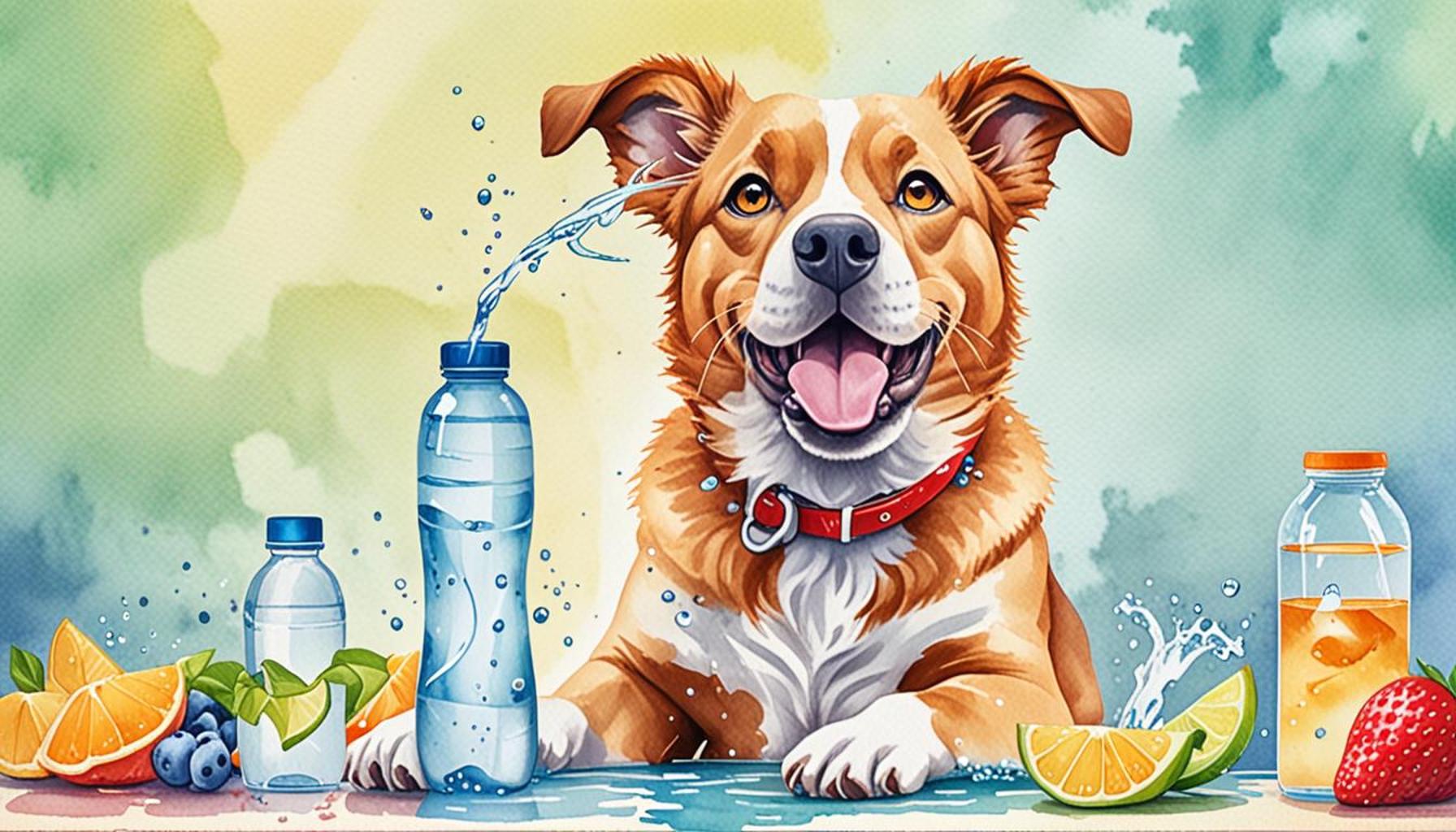
Water is vital for all living beings, and pets are no exception. Proper hydration can enhance your pet’s well-being, ensuring they lead a healthy and active life. In Nigeria’s warm climate, understanding the importance of hydration becomes even more critical.
Why is Hydration Essential?
- Regulates body temperature: Adequate water intake helps pets maintain a normal body temperature, which is crucial during hot weather. For pets like dogs and cats, who may have fur coats, staying hydrated is essential to prevent overheating, especially after exercise or during outdoor play.
- Supports digestion: Water plays a key role in digestion, helping to prevent issues like constipation. A well-hydrated pet is less likely to suffer from digestive disorders, thus ensuring they absorb nutrients effectively from their food.
- Promotes organ function: Every organ, from kidneys to skin, relies on hydration to function optimally. Dehydration can strain the kidneys and may lead to more significant health issues, particularly in older pets who already face challenges with organ functionality.
In countries like Nigeria, where pets may experience heat stress, ensuring they stay hydrated is even more essential. The effects of dehydration can be particularly acute in hot seasons, leading to lethargy, dry gums, and even more severe complications if left unaddressed.
Practical Tips for Pet Hydration
Here are some important tips for ensuring your beloved pets are well-hydrated:
- Always provide fresh, clean water: Change your pet’s water at least once daily to ensure it is appealing and free of contaminants. Consider using water bowls made of stainless steel, as they are easier to clean and often keep water cooler for longer.
- Encourage hydration by offering water-rich foods: Incorporate fruits and vegetables into your pet’s diet. Watermelon, cucumbers, and apples are excellent options for dogs that can provide both nutrition and hydration.
- Monitor their water intake, especially during exercise: If you are taking your pet for a walk or playing fetch, make sure to take breaks in the shade and offer them water frequently. A collapsible water bowl can be a handy tool to keep on hand while out and about.
Moreover, regularly checking your pet for signs of dehydration, such as dry nose, sunken eyes, or excessive panting, can help prevent health issues before they arise. By understanding the benefits of hydration and implementing these simple tips, you can contribute significantly to your pet’s overall vitality and happiness.
Awareness and education surrounding pet hydration can lead to healthier, happier animals and a stronger bond between you and your furry companions. Make hydration a priority, and watch your pets thrive!
SEE ALSO: Click here to read another article
The Impact of Dehydration on Pet Health
Understanding the impact of dehydration is crucial for every pet owner. Dehydration occurs when animals lose more fluids than they take in, leading to critical health risks. In Nigeria, where temperatures can soar, especially in the dry season, pets might be more susceptible to dehydration than in milder climates. Even a small decrease in water intake can lead to serious consequences for your pet’s health.
One of the most alarming effects of dehydration is the toll it takes on the kidneys. The kidneys are responsible for filtering waste and toxins from the blood, and they depend heavily on water to function effectively. When a pet is dehydrated, the kidneys may struggle to perform their roles, potentially leading to kidney stones or urinary tract infections. This can be especially concerning for older pets or those with pre-existing health conditions.
Signs of Dehydration in Pets
Recognizing the signs of dehydration early can save your pet from significant health issues. Here are some common indicators to look out for:
- Dry gums: One of the first signs of dehydration is dry or sticky gums. When you find your pet’s gums lacking moisture, it is an immediate call for attention.
- Loss of skin elasticity: A simple test is to gently pinch the skin on the back of their neck. If it doesn’t quickly return to its original position, this may be a sign that your pet needs more fluids.
- Excessive panting: While panting can be common after exercise, consistent heavy panting can indicate that your pet is becoming overheated and possibly dehydrated.
- Sunken eyes: If your pet’s eyes appear more sunken than usual, it may signal a need for hydration.
Being aware of these symptoms is crucial because dehydration can lead to lethargy and, in severe cases, organ failure. It’s a risk that no pet owner wants to take, and identifying these signs promptly can make all the difference.
Nigerian pet owners should also be mindful of their pets’ hydration needs during and after exercise. Activities such as long walks in the sun or play sessions can rapidly deplete water levels. It’s essential to plan ahead by bringing water along for your pets when you go out and providing them with appropriate hydration breaks.
In summary, ensuring that your pets remain well-hydrated is not just about providing water; it’s about understanding their specific needs and recognizing the critical signs of dehydration. By implementing these awareness strategies and staying proactive, you contribute not only to their immediate comfort but also to their long-term health and wellness.
Implementing Effective Hydration Strategies
To foster better hydration habits, consider establishing a routine that includes:
- Scheduled water breaks: Make it a habit to take a water bowl during outdoor activities and offer water every 15-20 minutes.
- Designate water stations: For multi-pet households, ensure that there are ample clean water sources throughout the home to encourage constant access.
- Hydration tracking: Keep an eye on how much water your pets consume daily. Consult with your veterinarian for personalized requirements based on size, activity level, and health.
By taking these steps, you not only enhance your pet’s quality of life but also strengthen the bond you share through mutual care and attention. Making hydration a priority is a foundational aspect of pet ownership that deserves our focus.
| Advantages | Details |
|---|---|
| Improved Digestion | Proper hydration aids in the digestion process for pets by helping to prevent constipation and ensuring that the digestive system functions optimally. |
| Healthy Skin and Coat | Adequate water intake helps to maintain skin elasticity and coat shine, reducing the risk of skin issues and promoting overall health. |
| Regulated Body Temperature | Hydration is crucial for thermoregulation. Pets, particularly during hot weather or after strenuous activity, rely on water to cool themselves down effectively. |
| Enhanced Kidney Function | Well-hydrated pets are less likely to suffer from urinary tract issues and kidney stones, as proper water intake helps excrete toxins through urine. |
Ensuring your pet stays hydrated is essential for maintaining their health and well-being. With adequate water intake, you can help improve their digestion, enhance their skin and coat, and enable their bodies to regulate temperature effectively. Additionally, proper hydration plays a vital role in kidney function, supporting the elimination of waste and toxins. Keep these key benefits in mind, and equip yourself with practical tips to encourage your furry friends to drink more water, ensuring they thrive.
LEARN MORE: This related article may interest you
Hydration Techniques and Innovative Solutions
Ensuring that your pet stays hydrated isn’t solely about having a bowl of water nearby. In Nigeria’s climate, where heat can become oppressive, especially for breeds with thick coats, innovative and practical hydration techniques can make all the difference. It’s essential to not only provide access to water but to also explore creative ways to motivate your furry friend to drink more.
Water-Infused Treats and Foods
One effective way to boost your pet’s hydration levels is through water-infused treats. Many pet owners are unaware that certain fruits and vegetables are high in water content and can serve as excellent snacks. For instance, watermelon, cucumbers, and carrots are not only refreshing for your pets but can also contribute to their daily hydration needs. Just ensure that any fruits or vegetables are safe for pets to consume. Consult your veterinarian regarding any foods that should be avoided, especially since some may not be suitable for specific breeds or health conditions.
Choosing the Right Bowls and Containers
Have you ever noticed how your pet might refuse to drink from certain bowls? The design and material of the water bowl can significantly affect your pet’s willingness to hydrate. Some pets prefer stainless steel bowls over plastic, which can alter the taste of water and contribute to a lack of interest in drinking. Experimenting with different bowl sizes and shapes may yield encouraging results. Additionally, consider using a pet water fountain which provides a continuous flow of fresh water. Pets are often attracted to moving water, so a fountain could entice them to drink more frequently.
Flavor Enhancements
Sometimes, all it takes is a little flavor to get your pet interested in hydration. Adding a small amount of low-sodium broth or pet-safe flavor enhancers can make a bowl of water exceptionally appealing. Some pet owners have found that mixing in a bit of liquid from canned pet food can also entice pets to hydrate. Always consult your veterinarian to ensure that whatever you add is healthy for your pet.
Understanding Seasonal Hydration Needs
It’s vital to adjust your pet’s hydration habits according to the season. During the hot, dry months common in Nigeria, pets typically require more water. Increased physical activity or exposure to higher temperatures means your pet’s body will need more fluids. Conversely, in the cooler, wetter months, some pet owners might notice a decrease in their pet’s water consumption. Understanding these seasonal variations in hydration needs and adjusting accordingly is essential to helping your furry friend maintain optimal health.
Hydration Monitoring Devices
As technology evolves, pet owners can also take advantage of hydration monitoring devices that help track water consumption. These smart bowls can alert you if your pet is not drinking enough, ensuring you remain proactive in addressing their hydration needs. While these gadgets may require an initial investment, they can be valuable for pet health, particularly for those who are often away from home.
Reducing the risks associated with dehydration isn’t just about providing a water bowl; it’s about understanding your pet’s specific preferences and needs. By employing innovative strategies and adopting changes based on seasonal requirements, you enhance your pet’s overall well-being, keeping them happy and healthy.
CHECK OUT: Click here to explore more
Conclusion: Prioritizing Hydration for a Happy and Healthy Pet
In conclusion, the significance of hydration for pet health cannot be overstated. As responsible pet owners, it is our duty to ensure that our furry companions have consistent access to fresh, clean water and are encouraged to drink regularly. By understanding the unique hydration needs dictated by our warm Nigerian climate and employing creative strategies—such as incorporating water-infused treats and utilizing hydration monitoring devices—we can foster better hydration habits in our pets.
Moreover, being aware of seasonal changes in hydration demands plays a crucial role in maintaining your pet’s well-being. Whether it’s experimenting with different bowls and containers or enhancing the flavor of water, these small yet impactful adjustments can substantially improve your pet’s fluid intake. Every step taken towards enhanced hydration not only contributes to improved health but also to preventing serious health conditions related to dehydration.
As we embrace these practices, let’s closely observe our pets for signs of dehydration and remain vigilant in providing them with adequate hydration solutions. After all, a well-hydrated pet is a happy pet. Take proactive steps today, and unlock the myriad benefits of proper hydration—ensuring a long, healthy life for your beloved companion.