How Age Affects the Health and Well-Being Needs of Pets

Understanding the Impact of Age on Pets
The health and well-being of pets are intricately linked to their age. As pets transition through different life stages, their needs evolve significantly. Recognizing these changes is crucial for providing optimal care. Each stage of a pet’s life comes with unique characteristics that demand tailored attention from their owners.
The Importance of Age in Pet Care
Pets experience various life stages that affect their physical and emotional health. Here are some key age categories to consider:
- Young (0-1 years): This stage is marked by rapid growth and development. Puppies and kittens are full of energy and initially require significant socialization with other animals and humans to grow into well-adjusted adults. Mandatory vaccinations, such as those for rabies and parvovirus, are also essential during this period. For example, a well-socialized puppy that meets a variety of people and other pets is less likely to develop behavioral issues as it grows older.
- Adult (1-7 years): Pets typically enjoy peak health during this stage, but their nutritional needs may change. For instance, adult dogs like Rottweilers might benefit from a balanced diet focused on maintaining muscle mass and energy levels. Regular exercise is critical to prevent obesity, which can lead to chronic conditions such as diabetes. Regular veterinary check-ups become vital to monitor their overall health and make adjustments to their diet and exercise routines.
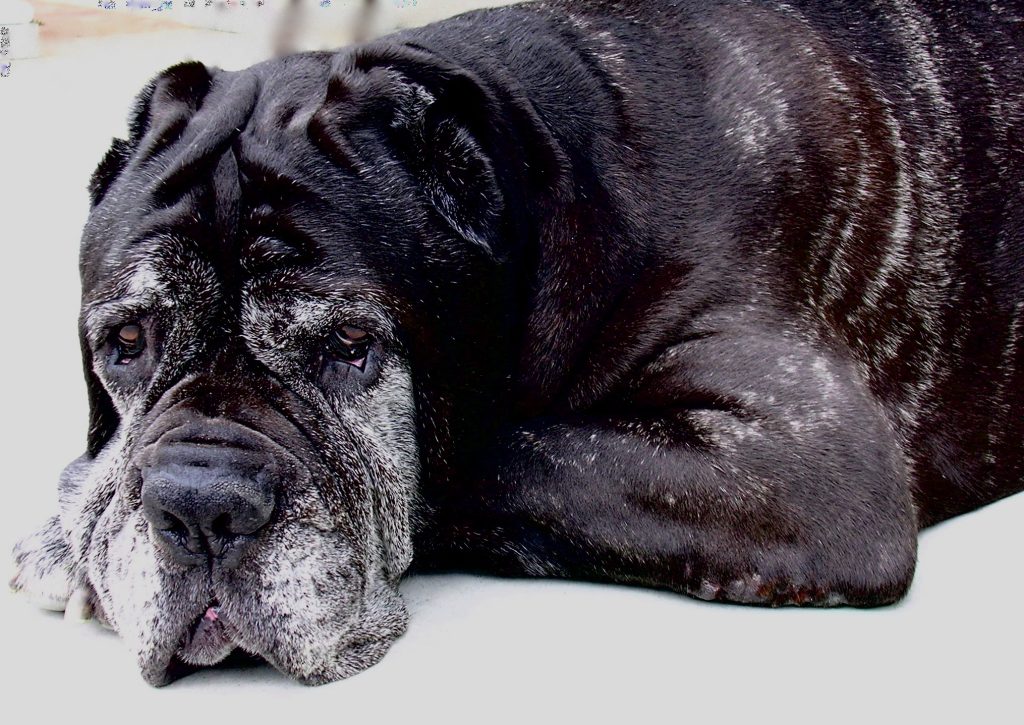
- Senior (7+ years): As pets age, they become more susceptible to a variety of health issues. Increased health concerns often include mobility problems arising from arthritis, which can greatly affect their ability to enjoy activities. Furthermore, dental issues are prevalent in older pets, leading to painful eating habits and requiring possibly invasive dental treatments. Owners may also need to adapt their pet’s diet to include joint supplements or specialized food aimed at supporting organ function and overall well-being.
Moreover, certain breeds may age faster than others, leading to varying health issues and needs. For instance, large breeds such as Great Danes may show signs of aging much earlier than smaller breeds like Chihuahuas, often becoming prone to conditions like hip dysplasia at a younger age. Breed-specific health issues should be a consideration when catering to your pet’s needs over their life span.
Age-Related Health Challenges
As pets age, they become susceptible to specific health conditions, including:
- Arthritis: This condition manifests as pain and inflammation in the joints and can severely inhibit mobility. It is crucial to monitor your pet’s movement and behavior; a pet that hesitates to jump or seems less active may be suffering from this condition. Pain management and physical therapy can significantly improve their quality of life.
- Dental issues: Common in older pets, these issues can lead to serious health problems if left untreated. Regular dental check-ups can prevent periodontal disease, which can cause pain and affect eating habits. Simple steps such as brushing their teeth or providing dental chews can help maintain oral health.
- Organ function decline: As pets age, their organs may require close monitoring. Regular veterinary visits can help detect issues early, as diseases like kidney failure or heart disease can progress undetected for long periods. Blood tests and urine tests are valuable for tracking organ health as your pet ages.
Understanding these aspects can enhance a pet owner’s ability to respond to their pet’s evolving requirements. With proper care tailored to their age, particularly in an environment like Nigeria where accessible veterinary care may vary, pet owners should actively seek information and support to ensure their pets enjoy a healthier and more fulfilling life. Investing in preventive care and being proactive about health monitoring can lead to a significant difference in the quality of life your pet experiences, regardless of their age.
LEARN MORE: This related article may interest you
Recognizing the Nutritional Shifts in Aging Pets
As pets grow older, their nutritional requirements become increasingly critical to their overall health. Understanding how age affects these needs is essential for pet owners who want to provide the best care possible. Nutrition plays a significant role not only in maintaining a healthy weight but also in supporting various bodily functions that may begin to decline with age.
Dietary Adjustments Through the Life Stages
During different life stages, the dietary needs of pets evolve, enabling them to thrive. As noted earlier, young pets require a diet high in protein and calories to support their vigorous growth and development. Conversely, as they transition into adulthood, their metabolism slows down, necessitating a carefully balanced diet that helps maintain their energy without leading to weight gain.
When it comes to senior pets, dietary adjustments become even more critical. Aging often brings about a decrease in metabolism and changes in absorption and digestion. Therefore, owners must consider the following aspects:
- Lower-calorie diets: Many elderly dogs and cats become less active, and a calorie-dense diet can result in obesity, leading to further health issues. A shift to lower-calorie options can help manage their weight, reduce stress on their joints, and promote an overall healthier lifestyle.
- Joint health support: Senior pets may experience arthritis or other joint-related issues. Adding joint supplements containing glucosamine and omega-3 fatty acids can help alleviate discomfort and promote mobility. These supplements are widely available and can be found in various forms, including treats and powders.
- Digestive aids: As pets age, they may develop sensitive stomachs. Choosing high-quality, easily digestible food enriched with dietary fiber can help reduce gastrointestinal issues. Ingredients like pumpkin and sweet potatoes are excellent for promoting regularity and overall gut health.
- Hydration needs: Dehydration is a significant concern in older pets, increasing the risk of kidney issues. Ensuring access to fresh water and considering wet food options can improve their hydration levels, thus supporting kidney function and bolstering overall health.
Moreover, in a country like Nigeria, where pet ownership is on the rise, it’s crucial for owners to seek affordable and reliable sources of high-quality pet food. With emerging brands catering to the unique dietary requirements of aging animals, pet owners can tailor their purchases to promote longevity and vitality in their companions.
Behavioral Changes and Their Nutritional Implications
Aging can also influence a pet’s behavior, affecting their eating habits. Pets may become pickier or less interested in their food due to dental problems, nausea, or even cognitive decline. Recognizing these changes allows owners to adjust their approach to mealtime. For instance, softening dry food or trying new flavors may rekindle the enthusiasm for eating. Additionally, maintaining a routine can offer a comforting structure for older pets.
By understanding these shifts in nutrition, pet owners can enhance their pet’s quality of life as they age. It’s essential to consult with a veterinarian who can help guide dietary adjustments based on individual health status and specific breed considerations. The more informed pet owners are about the effects of age on nutritional needs, the better equipped they will be to ensure their cherished companions enjoy their golden years to the fullest.
As pets age, their health and well-being needs become increasingly complex, necessitating a deeper understanding of age-related changes. Specifically, senior pets may experience shifts in their nutritional requirements. Older pets often require a diet that is lower in calories but higher in essential nutrients, which helps manage weight and supports joint health.Another significant aspect of aging in pets is the higher prevalence of chronic conditions. Conditions such as arthritis, diabetes, and dental issues become more common as pets grow older. Consequently, regular veterinary check-ups are essential to monitor health changes. These examinations can lead to early detection and management of potential health problems.In addition to physical health, mental well-being should also be considered. Senior pets may experience cognitive decline, similar to dementia in humans. This can lead to behavioral changes, such as confusion or increased anxiety. Providing mental stimulation through interactive toys and routine can help combat these issues.Maintaining a comfortable environment is also crucial. Senior pets may benefit from having orthopaedic beds and ramps to ease joint strain. Additionally, modifications to the home, such as securing slippery floors, can significantly enhance a senior pet’s quality of life.Overall, as pets age, their health and well-being needs evolve, requiring pet owners to adapt their care strategies. Understanding these changes can improve the quality of life for aging pets and ensure they remain happy and healthy companions.
| Nutrition | Essential Dietary Changes |
|---|---|
| Dietary Adjustments | Older pets require diets rich in nutrients and lower in calories to maintain a healthy weight. |
| Chronic Conditions | Common age-related diseases like arthritis and diabetes necessitate specialized care and diets. |
YOU MAY ALSO LIKE: Read read another article
Adapting Healthcare and Preventive Measures for Aging Pets
As pets age, their healthcare requirements become as critical as their nutritional needs. Preventive measures and regular check-ups are essential in ensuring that older animals maintain their quality of life. The aging process can predispose pets to various health conditions, making it imperative for owners to stay vigilant and proactive in their approach to veterinary care.
Importance of Regular Veterinary Check-ups
Regular veterinary visits are vital for aging pets, as they provide opportunities for early detection of potential health issues. According to veterinarian associations, pets over the age of seven should typically visit their veterinarian at least twice a year. This frequency allows for comprehensive health assessments, including:
- Comprehensive physical examinations: Regular check-ups enable veterinarians to monitor your pet’s weight, dental health, and overall physical condition. They can identify conditions such as obesity or dental disease, which are common in older pets, and provide guidance for necessary intervention.
- Blood tests and screenings: Blood work can be crucial in detecting underlying problems, such as kidney disease or diabetes, before symptoms appear. These tests help veterinarians tailor preventive care plans and adjust medications as required.
- Vaccinations and parasite control: Age may influence vaccination schedules and the need for parasite control measures. Older pets may require different vaccine formulations or additional boosters to ensure continued protection.
In Nigeria, access to veterinary care may vary, but it is essential to seek out reputable veterinary clinics that offer comprehensive geriatric care. Engaging regularly with a trusted veterinarian can be pivotal in maintaining your pet’s health as they age.
Managing Chronic Conditions in Senior Pets
Chronic conditions such as arthritis, diabetes, or kidney disease are prevalent in aging pets. Management of these conditions demands specialized care, adjustments in medication, and continued monitoring. Pet owners should be equipped with the understanding and resources necessary to manage these challenges, including:
- Medications and supplements: Depending on their health status, senior pets may benefit from prescribed medications, joint supplements, or anti-inflammatories that can improve their quality of life. It’s crucial for pet owners to adhere strictly to their veterinarian’s guidance on dosages and administration.
- Physical therapy: Physical rehabilitation can help improve mobility and alleviate pain in older pets suffering from joint issues. Techniques such as acupuncture, massage therapy, and tailored exercise programs provide a non-invasive approach to enhancing their well-being.
- Home modifications: To cater to pets with mobility challenges, simple home modifications such as ramps or non-slip rugs can make navigation easier, providing them with a safer living environment.
Overall, the emotional and mental well-being of aging pets should not be overlooked. Maintaining a stimulating environment and engaging in gentle play can have positive impacts on their mood and cognitive function. For example, puzzle toys can provide mental stimulation, while consistent companionship from family members can help reduce feelings of anxiety and isolation.
Understanding the intricacies of managing health as pets age is essential for ensuring they remain comfortable, active, and happy. Providing the appropriate medical care alongside a tailored healthcare plan empowers pet owners to navigate the challenges of aging, supporting their beloved companions through the various stages of life.
CHECK OUT: Click here to explore more
Conclusion: Embracing the Journey of Aging Pets
As pet owners navigate the evolving landscape of their furry companions’ lives, recognizing and adapting to the changing health and well-being needs of aging pets is essential. The aging process introduces a variety of health challenges, from chronic conditions to mobility issues, that require tailored approaches to both care and preventive measures. Regular veterinary check-ups are not just beneficial but necessary for early detection and management of potential health concerns. Engaging in a proactive partnership with a trusted veterinarian can significantly enhance the quality of life for aging pets.
Moreover, adjusting to the physical and emotional shifts that come with aging involves more than just medical care. Pet owners are encouraged to invest in a holistic approach that encompasses dietary adjustments, exercise regimens, and emotional support. From incorporating joint supplements and physical therapy to enriching their environments with engaging activities, there are countless ways to promote longevity and happiness.
In Nigeria, where pet ownership is surging, it becomes more crucial than ever for owners to commit to understanding the unique needs of their elderly pets. Ensuring that they experience a fulfilling and comfortable life well into their golden years not only reinforces the bond between pet and owner but also honors the love and joy these companions provide.
Ultimately, embracing the journey of caring for aging pets empowers owners to make informed decisions that can greatly improve their quality of life. As we delve deeper into the health impacts of age on our beloved animals, let us advocate for and implement the best practices in veterinary care and personal attention, ensuring that pets remain cherished members of the family through every stage of life.