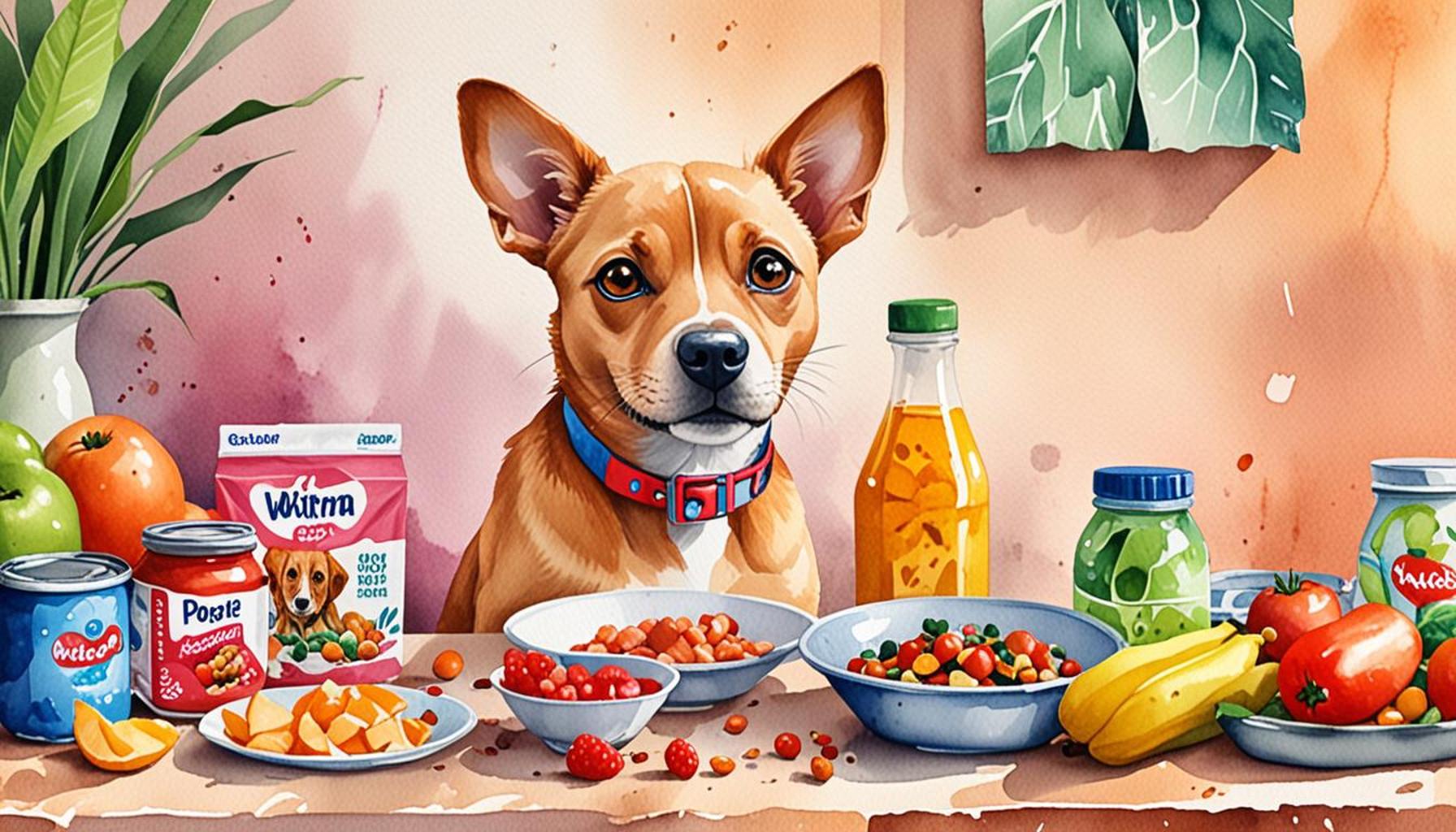
How to deal with obesity in pets: tips and strategies
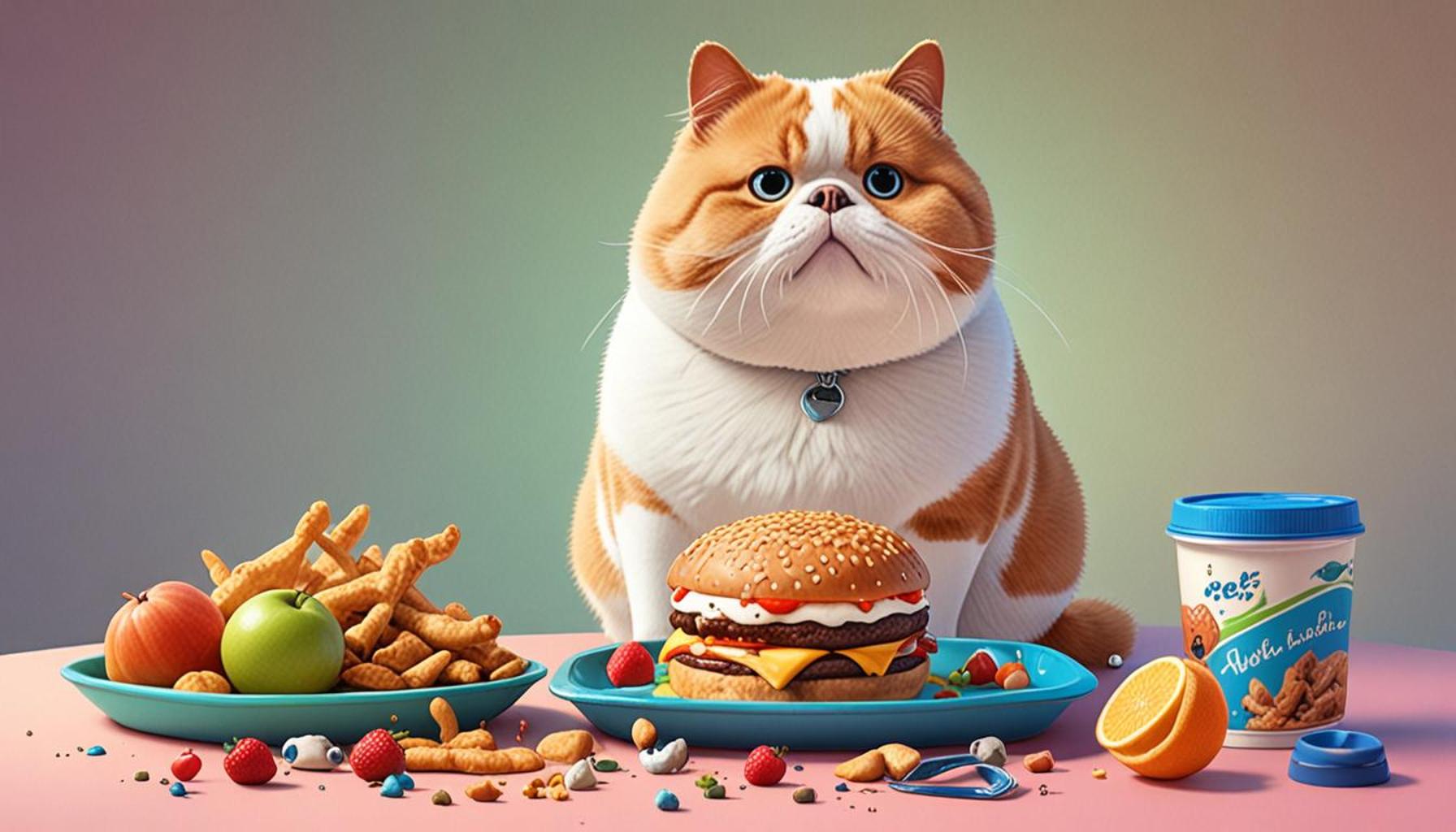
Understanding Obesity in Pets
Obesity in pets has emerged as a significant health issue that affects animals worldwide, including Nigeria. It is not merely a cosmetic concern; it can lead to serious health problems such as diabetes, arthritis, and heart disease. The prevalence of obesity in pets is alarming and often results from a combination of poor diet, lack of physical activity, and a sedentary lifestyle. As a responsible pet owner, addressing obesity early is crucial to ensure your furry friends live a healthy and happy life.
Recognizing the Signs of Obesity
Identifying whether your pet is overweight can sometimes be challenging. Here are some common indicators:
- Difficulty in Breathing: Excess weight can make breathing more difficult, especially in short-nosed breeds like Bulldogs and Pugs, who may already have respiratory challenges.
- Reduced Activity Level: Overweight pets often prefer to rest rather than play. You might notice that your dog is not as eager to engage in walks or games, or that your cat spends more time lounging than exploring.
- Visible Fat Deposits: Look for excess fat around the abdomen and joints. You should be able to feel your pet’s ribs without excessive pressure; if you can’t, it might be time to reevaluate their diet.
Consequences of Ignoring Obesity
Ignoring obesity in pets can lead to severe long-term health issues. The impact on the quality and length of life can be profound:
- Joint Problems: Increased weight puts pressure on joints, often leading to conditions like arthritis, particularly in older pets or breeds prone to joint issues.
- Shortened Lifespan: Obesity can reduce your pet’s life expectancy. Studies indicate that overweight pets can lose up to two years in their lifespan due to obesity-related complications.
- Behavioral Changes: Overweight pets may show signs of depression, irritability, or decreased sociability, making them less inclined to interact with their humans or fellow animals.
Tackling obesity requires a comprehensive strategy, including diet changes and enhanced physical activity. In Nigeria, where food options for pets have expanded in recent years, it is crucial to select high-quality, nutrient-dense food and to be mindful of portion sizes. Furthermore, incorporating regular physical activities such as structured walks, playtime in open spaces, or even engaging in dog sports can markedly improve your pet’s health.
In this article, we’ll explore effective tips and strategies that will help you manage your pet’s weight, ensuring they maintain a healthy lifestyle in the beautiful landscapes of Nigeria. By taking proactive measures and staying informed, you can promote the well-being of your beloved companion and enjoy many happy years together. Let’s dive in!
YOU MAY ALSO LIKE: Read read another article
Implementing Dietary Changes
One of the most effective approaches to combat obesity in pets is through dietary adjustments. Just as in humans, what your pet consumes plays a fundamental role in their overall health. It’s imperative to switch to a high-quality, nutritionally balanced diet that meets their specific needs. In Nigeria, pet food options have expanded significantly, with many brands now offering specialized diets tailored for weight management. Here are a few tips to help you navigate dietary changes:
- Consult a Veterinarian: Before making any dietary changes, it’s wise to consult your veterinarian. They can recommend a feeding plan based on your pet’s weight, age, breed, and level of activity.
- Portion Control: Measure your pet’s food to prevent overfeeding. Many pet owners underestimate how much food their pets actually need. Use a measuring cup to avoid guesswork.
- Choose Low-Calorie Foods: Look for specially formulated weight management pet food that contains fewer calories but maintains essential nutrients. These are designed to help your pet feel full while losing weight.
- Limit Treats: Treats should account for no more than 10% of your pet’s daily caloric intake. Consider healthy alternatives, such as fruits (like apples and bananas without seeds) or vegetables (like carrots), which can be both delicious and low in calories.
Creating a Structured Feeding Schedule
In tandem with a balanced diet, establishing a structured feeding schedule can greatly benefit your pet’s weight management efforts. Instead of free-feeding, which allows your pet to graze throughout the day, stick to set meal times. This can help regulate their appetite, making them less likely to overeat. Aim for two meals a day, spacing them out every 12 hours, and always remember to adjust the portion sizes based on your pet’s activity levels and weight goals.
Boosting Physical Activity
Diet alone is not enough to combat obesity; increasing your pet’s physical activity is vital. Regular exercise helps to burn calories and maintain muscle mass while reducing fat. Given the diverse landscape of Nigeria, there are plenty of avenues to explore:
- Daily Walks: Take your pet on daily walks around local parks or neighborhoods. Whether it’s a leisurely stroll or a brisk pace, this stimulates both gut health and mental well-being.
- Interactive Play: Engage your pets in interactive games like fetch or tug-of-war. These activities can effectively burn calories and strengthen your bond.
- Explore Dog Parks: Socializing with other pets at dog parks not only promotes physical activity but also provides mental stimulation for your furry friend.
- Canine Sports: Consider engaging your dog in sports such as agility training or flyball. These activities can be fantastic outlets and make exercise fun.
By implementing these dietary and exercise strategies, you are taking significant steps towards reducing obesity in your pets. The journey may take time and require commitment, but the rewards—a healthier and happier pet—are undeniably worth it. Stay tuned as we delve into more valuable tips and strategies for managing your furry companion’s weight effectively.
Understanding the Causes of Pet Obesity
Understanding the underlying causes of obesity in pets is crucial in combating this growing issue. Many pet owners may not realize that factors such as genetics, diet, and lifestyle play a significant role in a pet’s weight. Additionally, certain breeds are predisposed to gaining weight, which makes it essential for owners to monitor their pets closely. Incorporating regular check-ups with a veterinarian can help identify potential health issues that could contribute to weight gain.
Dietary Control
Adjusting a pet’s diet is one of the primary strategies to combat obesity. Many commercial pet foods are high in calories, and pet parents should read labels to ensure they are providing a balanced diet. Portion control is equally important; measuring food and avoiding free-feeding practices can significantly help in reducing calorie intake. Healthy treats, like fruits and vegetables, can replace high-calorie options, making it easier to manage your pet’s weight.
Encouraging Exercise
Another critical component in managing obesity is regular exercise. Engaging pets in daily activities not only helps burn calories but also improves their overall health and well-being. Structured playtime, walks, or even cardio-focused games can encourage pets to be active while strengthening the bond between pet and owner.
Setting Realistic Goals
When starting a weight management program, set achievable goals. Gradual weight loss is more sustainable than quick fixes, and monitoring pets’ progress can keep owners motivated. Veterinarians can assist in formulating a proper plan that includes dietary adjustments and exercise routines tailored to a pet’s specific needs.
Table of Advantages
| Category | Benefits |
|---|---|
| Dietary Management | Ensures pets receive nutrients without excess calories. |
| Increased Activity | Promotes better physical health and lowers the risk of diseases. |
Another effective component to consider is the implementation of weight management programs specifically designed for pets. Many veterinary clinics offer personalized plans that take your pet’s current weight, age, and health conditions into account. By investing in an individualized program, pet owners can take a proactive approach in managing their pet’s obesity effectively. Moreover, educating oneself about proper pet nutrition and weight control strategies is vital in fostering a healthier lifestyle for your furry companions.
ADDITIONAL INSIGHTS: Expand your understanding here
Monitoring Progress and Adjusting Strategies
To effectively tackle obesity in pets, it is crucial to monitor their progress regularly. Keeping track of your pet’s weight loss will not only motivate you and your furry friend but also help you make any necessary adjustments to their diet and exercise regimen. Here are some strategies to ensure you are on the right track:
- Regular Weigh-Ins: Schedule bi-weekly or monthly weigh-ins with your vet or at home if you have the right scale. Monitoring your pet’s weight will help you notice patterns, determine the success of your methods, or highlight the need for changes.
- Body Condition Scoring: Familiarize yourself with the body condition scoring (BCS) system. This system helps assess whether your pet is underweight, ideal, overweight, or obese based on visual observation and palpation. Understanding where your pet falls on the scale can inform you when to change your strategy.
- Track Food Intake: Maintain a food diary to record everything your pet eats, including treats. This can reveal any hidden calories and help you identify if you are sticking to the recommended portion sizes.
- Adjusting Calories: As your pet loses weight, their caloric needs will change. Consult with your veterinarian to adjust their daily calorie intake based on their new weight and activity level, ensuring to promote healthy weight loss gradually.
Encouraging Healthy Lifestyle Habits
Creating a healthy lifestyle for your pet goes beyond just diet and exercise. It also involves changing behaviors that can encourage obesity. Here are a few methods to cultivate healthy habits:
- Limit Free-Feeding: Many pet owners unknowingly contribute to weight gain by allowing their pets to graze all day. Transition to a strict feeding schedule to help keep your pet’s hunger aligned with their calorie intake.
- Provide Mental Stimulation: Boredom can lead pets to seek entertainment in extra food. Use puzzle toys, treat-dispensing toys, or engage in training exercises that challenge your pet mentally, leading to improved physical engagement as well.
- Socialization: Encourage social interactions with other pets. Group playdates can motivate exercise and create enjoyable experiences for your pet, reducing the likelihood of sedentary behavior.
- Limit Human Food: Resist the temptation to share your meals with your pet, as human food is often not suitable for pets and can lead to weight issues. Educate family members on the importance of maintaining consistent feeding guidelines for your furry friend.
Utilizing Technology for Assistance
In this digital age, technology can play a pivotal role in managing your pet’s obesity. Various apps and devices can assist in keeping your furry companion on track:
- Pet Fitness Trackers: Wearable devices can track your pet’s activity levels. Some pet collars monitor their movements and alert you when they are not getting enough exercise.
- Apps for Meal Planning: Use mobile applications designed to help you log your pet’s meals and plan their dietary needs. These tools often offer tailored suggestions based on your pet’s breed and specific requirements.
- Online Communities: Join online forums or social media groups dedicated to pet health and nutrition. Engaging with other pet parents can provide valuable tips, additional support, and further motivation.
By actively engaging in monitoring progress and fostering healthy lifestyle habits, along with leveraging technology, you build a solid foundation for your pet’s weight management journey. Stay committed to finding the best methods tailored to your pet’s individual needs, as these elements are paramount in combating obesity and promoting a longer, healthier life for your beloved companion.
RECOMMENDED: Check out this similar article
Conclusion
Dealing with pet obesity is a crucial responsibility for pet owners, and it requires a multifaceted approach involving diet management, physical activity, and behavioral changes. As we have explored, understanding your pet’s unique needs is essential—each pet may require a tailored plan to effectively address their weight issues. Regular weigh-ins and using a body condition scoring system can provide valuable insights into your pet’s health journey, guiding necessary adjustments along the way.
Incorporating healthy habits into your pet’s daily routine is equally important. Limiting free-feeding, providing mental stimulation through engaging toys, and ensuring sufficient exercise through socialization with other pets can significantly enhance your companion’s overall well-being. Furthermore, as technology evolves, utilizing pet fitness trackers and meal-planning apps can simplify the management of your pet’s obesity, offering real-time feedback and support.
Living in Nigeria, where many households experience the challenge of maintaining their pet’s health due to various factors, it is vital to seek local resources and communities that focus on pet wellness. By joining support groups or consulting veterinarians who understand the local context, pet owners can gain insights and encouragement in their fight against obesity.
Ultimately, navigating the complexities of pet obesity may seem daunting, but with dedication, education, and a supportive network, achieving a healthier lifestyle for your furry friend is well within reach. As you embark on this journey, remember that each small change can lead to significant benefits, paving the way for longer, happier, and more active lives for the pets we cherish.

Linda Carter
Linda Carter is a writer and pet care expert specializing in pet health, grooming, and wellness. With extensive experience helping pet owners create safe, loving, and enriching environments for their animals, Linda shares her knowledge on our platform. Her goal is to empower readers with practical advice and strategies to ensure their pets thrive and lead joyful, healthy lives.