Prevention of Diseases in Pets: Importance of Vaccination and Regular Check-ups
Ensuring Well-Being in Our Furry Friends
Pet ownership comes with the joy of companionship, yet it also entails responsibilities. One of the most critical areas of pet care is preventing diseases. By prioritizing factors such as vaccination and regular check-ups, pet owners can safeguard their beloved animals against numerous health threats.
The Role of Vaccination
Vaccination serves as a frontline defense for pets, addressing infectious diseases that can significantly impact their lives. In Nigeria, common vaccinations include:
- Canine Parvovirus: This is a highly contagious viral infection that causes severe gastrointestinal distress in dogs. Puppies are particularly vulnerable, and the disease can lead to dehydration and even death if not treated promptly.
- Rabies: A fatal viral disease that affects the brain and is transmissible to humans, rabies vaccination is mandated by law in many regions. Pet owners are encouraged to get their dogs vaccinated not just for their pet’s safety but to protect the community from this deadly disease.
- Bordetella (Kennel Cough): This highly contagious respiratory disease can spread quickly in environments where pets are in close contact, such as kennels and dog parks. Vaccination is crucial, especially for pets that frequently socialize with other dogs.
These vaccines protect not only pets but also the community, as diseases can spread across neighborhoods. Understanding the local risks is key to ensuring pet health. Owners in urban areas, for instance, may want to consider vaccination against zoonotic diseases prevalent in city environments.
The Necessity of Regular Check-Ups
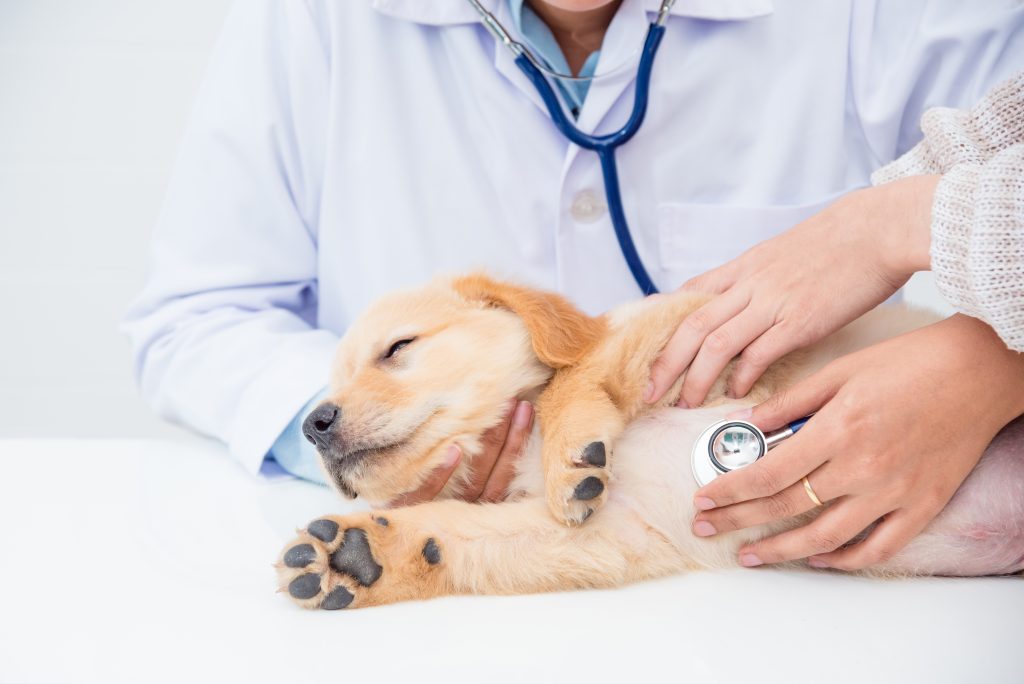
Complementary to vaccination, regular veterinary check-ups enable early detection of potential health issues. Routine visits help in:
- Monitoring weight and nutrition: Maintaining a healthy weight is integral to a pet’s overall well-being. Regular assessments can aid in developing tailored diets that meet their specific needs.
- Assessing dental health: Many pet owners may overlook dental care, but oral hygiene is critical in preventing painful infections and systemic health issues. Regular check-ups allow for dental cleanings and assessments.
- Checking for parasites: Parasites such as ticks, fleas, and worms can take a significant toll on pets’ health. Routine check-ups allow for preventative measures to be taken, ensuring pets remain healthy and thrive.
These evaluations can lead to timely interventions, improving the overall quality of life for pets and extending their lifespan. Additionally, routine visits help educate pet owners about changes in behavior that may indicate health problems. In Nigeria, where many communities rely on traditional medicine, regular veterinary care provides a crucial link to modern veterinary practices and technologies.
In the following sections, we will delve deeper into the importance of these preventive measures and how pet owners can implement them effectively. Whether through awareness campaigns or community vaccination drives, understanding the vital role of preventive care can promote healthier futures for pets across Nigeria.
SEE ALSO: Click here to read another article
Understanding the Importance of Preventive Care
The health of our pets fundamentally hinges on proactive measures designed to prevent diseases. Vaccination and regular check-ups stand out as pivotal components of this preventive strategy, ensuring that pets receive the protection they deserve and the chances of serious illness are significantly reduced. By prioritizing these two aspects of pet care, owners not only contribute to the well-being of their furry companions but also foster a healthier community.
The Importance of Vaccination
Vaccination is not merely a routine procedure; it is a critical lifeline that erects barriers against various infectious diseases. In Nigeria, where the spread of diseases among pets can occur rapidly, timely vaccinations are essential. Notably, vaccines provide protection against:
- Canine Distemper: This viral disease can result in severe neurological issues and has a high mortality rate. Vaccinated pets have a far better chance of surviving and thriving.
- Feline Leukemia: Particularly prevalent among cats, this viral infection can lead to serious health complications, including cancer. Vaccinating cats against this disease is essential for household pets, especially in multi-cat homes.
- Lyme Disease: With the increasing presence of ticks in many regions of Nigeria, this bacterial infection carried by ticks can lead to severe discomfort and complications in dogs. Vaccination serves as a deterrent, especially in high-risk areas.
It is worth noting that vaccinations not only protect the individual pet but also play a vital role in public health. In densely populated urban areas, the potential for disease transmission increases, making immunizations a necessity not just for the pets but for the community at large. Owners should remain vigilant about local disease outbreaks and follow a vaccination schedule recommended by veterinarians.
The Vital Role of Regular Check-Ups
Beyond vaccinations, regular veterinary check-ups provide an invaluable opportunity for pet owners to stay ahead of potential health issues. Each visit serves as a comprehensive inspection, allowing veterinarians to:
- Evaluate overall health: A thorough examination can reveal early signs of conditions such as diabetes or kidney disease that may not yet display noticeable symptoms. Detecting such issues early can lead to more effective treatment options.
- Update vaccinations: Regular check-ups facilitate necessary booster shots that maintain immunity levels, ensuring pets are adequately protected against preventable illnesses.
- Discuss behavioral changes: Changes in a pet’s behavior can often indicate underlying health problems. Routine visits equip veterinarians to provide insights into behavioral concerns, improving the overall harmony between pets and their owners.
In a country like Nigeria, where access to veterinary care can be limited in certain areas, establishing a habit of regular check-ups is paramount. Regular veterinary visits can bridge the gap between traditional pet care practices and modern medical interventions, ensuring that pet owners are informed and prepared to navigate their pet’s health journey.
As we continue to explore the underlying facets of pet healthcare, it becomes clear that the responsibilities of pet ownership extend far beyond basic care. Emphasizing vaccination and regular check-ups creates a foundation for a healthy, happy life for pets and their families.
Understanding the Role of Vaccination
Vaccination is a cornerstone of preventive healthcare in pets. It acts as a shield against various infectious diseases that can jeopardize a pet’s health. For instance, vaccines for rabies, distemper, and parvovirus are essential in protecting your furry friend from severe, often fatal illnesses. Furthermore, regular updates on vaccination schedules boost the immune system, ensuring that pets remain resilient against prevalent diseases. Statistics show that vaccinated pets have significantly lower rates of disease transmission, thus promoting overall community health.
Significance of Regular Check-Ups
In addition to vaccinations, regular veterinary check-ups play a vital role in early disease detection and prevention. During these visits, veterinarians can perform comprehensive health assessments that include dental examinations, parasite control, and nutritional evaluations. Detecting health issues early increases the chances of successful treatment and can greatly extend a pet’s life. Research indicates that pets who receive regular check-ups are less likely to experience severe health issues compared to those who do not.
| Advantages of Vaccination | Benefits of Regular Check-Ups |
|---|---|
| Prevents Severe Illness | Early Detection of Health Problems |
| Protects Community Health | Improves Quality of Life |
These proactive measures ensure that pets not only live longer lives but also thrive in good health. Understanding the significance of vaccinations and regular veterinary visits is vital. By committing to these practices, pet owners contribute to the overall well-being of their companions, leading to a happier, healthier life for all. Embracing this knowledge empowers owners to take informed steps toward effective disease prevention, greatly enhancing the life quality of their beloved pets.
ADDITIONAL INSIGHTS: Expand your understanding here
Complementing Preventive Care with Proper Nutrition
While vaccination and regular check-ups form the cornerstone of preventive healthcare, nutrition plays a pivotal role in enhancing pets’ overall health and resilience against diseases. A properly balanced diet tailored to a pet’s specific needs not only supports their immune system but also promotes optimal growth and longevity. In Nigeria, where access to high-quality pet food can be inconsistent, pet owners must take extra precautions to ensure their companions are receiving adequate nutrients.
Understanding the Nutritional Needs of Pets
Each pet is unique, requiring a specific balance of carbohydrates, proteins, fats, vitamins, and minerals to thrive. For example, dogs typically benefit from a diet rich in animal proteins to support their muscle development, while cats require a higher protein intake since they are obligate carnivores. Selecting age-appropriate food is also vital; puppies and kittens have different nutrient requirements compared to adult and senior pets. Furthermore:
- Age Considerations: Adult pets should be fed a diet that maintains healthy weight and provides energy, whereas older pets may require specialized diets to manage health issues such as arthritis or kidney disease.
- Breed-Specific Diets: Certain breeds are predisposed to specific health conditions. For instance, large breeds may need diets formulated to prevent hip dysplasia, while smaller breeds might benefit from foods designed to support dental health.
- Allergies and Sensitivities: Pet owners should be observant for any signs of food allergies—such as gastrointestinal issues or skin irritations—and consult a veterinarian for dietary adjustments.
In Nigeria, local knowledge about dietary needs can be enhanced by integrating local ingredients such as yam, rice, and fish into pets’ meals, provided they are balanced correctly. Home-cooked meals can be an alternative, but it is crucial to consult with a veterinarian or a pet nutritionist to ensure nutritional adequacy and avoid common pitfalls.
Recognizing the Signs of Poor Nutrition
While ensuring pets receive proper nutrition is crucial, pet owners must also be vigilant for signs indicating that a diet may not be meeting their pet’s needs. Common indicators of poor nutrition include:
- Weight Fluctuations: Sudden weight loss or obesity can indicate imbalances in diet, making it essential to regularly assess a pet’s body condition score.
- Coat Quality: A dull, flaky coat often points to nutritional deficiencies, whereas a shiny, healthy coat generally indicates good nutrition and overall health.
- Energy Levels: A lethargic pet may be experiencing significant nutritional deficiencies, impacting their energy and mood.
Awareness of these signs empowers pet owners to adapt and improve their pets’ diets, ultimately complementing the preventive measures of vaccination and regular check-ups. Ultimately, the synergy of a good diet, routine health screenings, and appropriate vaccinations creates a robust defense system against illnesses.
By enhancing their understanding of nutrition and its role in preventing diseases, pet owners can foster an environment in which their pets can thrive—leading to a more vibrant and healthy existence. In Nigeria, where the pet population continues to grow, responsible ownership entails a multifaceted approach to care that prioritizes not just immediate protection but long-term wellness.
LEARN MORE: This related article may interest you
Conclusion
In summary, the prevention of diseases in pets is a multifaceted endeavor that hinges on the vital components of vaccination, regular check-ups, and proper nutrition. Vaccinations serve as frontline defenses against many infectious diseases that can severely impact our pets’ health, while routine veterinary visits ensure early detection and management of health issues. These practices are crucial not only for the well-being of individual pets but also for the broader community, as they help prevent the spread of zoonotic diseases.
Moreover, nutrition cannot be overlooked in this preventive framework. A well-balanced diet, tailored to the specific needs of each pet, synergistically supports their immune systems, enhances their quality of life, and fortifies resilience against illnesses. Pet owners in Nigeria must remain vigilant about selecting quality food and staying informed about their pets’ unique dietary requirements, supported by professional guidance whenever possible.
By embracing responsible pet ownership that prioritizes vaccinations, regular veterinary check-ups, and appropriate nutrition, owners can significantly bolster their pets’ health and longevity. As the pet population in Nigeria continues to grow, this multifaceted approach is not only essential for the immediate welfare of pets but also lays the groundwork for a healthier future for all furry companions.
Ultimately, investing in preventive care is the key to nurturing happy, healthy pets that enrich our lives. A proactive stand against disease leads to a thriving pet community that benefits not just individual owners but society as a whole.