The Importance of Socialization in Puppies: Effective Training Methods

The Importance of Early Puppy Socialization
Welcoming a puppy into your home is undoubtedly a thrilling experience. However, it also brings with it a responsibility that is often undervalued: the necessity of socialization. This essential process plays a pivotal role in determining how your puppy will interact with the world throughout their life. During the formative weeks and months, proper socialization can shape a well-adjusted dog capable of thriving in various environments.
Socialization is not just about introducing your puppy to new sights and sounds; it is about building their confidence and reducing anxiety in unfamiliar situations. Without adequate social exposure, puppies might develop fear or aggression as they encounter new experiences later in life. This can lead to problematic behaviors that can affect not just the dog but the owner and the community as well. Puppy socialization is particularly crucial in bustling environments like those often found in large Nigerian cities, where congestion, noise, and diversity provide both challenges and learning opportunities.
To effectively socialize your puppy, it is important to introduce them to a range of experiences, including:
- Various people: Interactions with different age groups—adults, children, and the elderly—help your dog become comfortable in diverse social scenarios. For instance, allowing your puppy to play with children can foster gentle behavior and adaptability.
- Different environments: Taking your puppy to bustling markets or calm parks can help them adjust to various sounds, smells, and sights, which is crucial in a rapidly urbanizing country like Nigeria.
- Other animals: Introductions to not just other dogs but also cats and local wildlife can prepare your puppy for the unpredictable nature of encounters outside the home. Socializing with livestock, for example, is particularly relevant in rural communities.
- Unusual sounds: Exposure to traffic, machinery, and even traditional cultural festivities, which may include fireworks or music, can bolster your puppy’s confidence against startling noises.
Additionally, the unique cultural landscapes in Nigeria can present both challenges and opportunities for effective socialization. Puppies that are well-socialized in these environments tend to navigate their world with ease, making them less likely to develop anxiety or fearful behavior. By prioritizing positive experiences during socialization, owners can significantly enhance their puppy’s quality of life and future interactions.
Moreover, pairing socialization with effective training techniques fosters a productive bond between the dog and its owner. Knowing how socialization and training complement each other can lead to discovering practical strategies that result in a well-behaved and happy companion. For example, utilizing positive reinforcement during training sessions can enhance socialization efforts by encouraging good behavior in new situations.
In conclusion, early puppy socialization is a fundamental part of responsible pet ownership that cannot be overlooked. By fostering these experiences, you are not just helping your pup to adjust to their surroundings but also laying the groundwork for a harmonious and joyful relationship with your furry friend.
LEARN MORE: This related article may interest you
Understanding the Benefits of Socialization
The significance of socialization in puppies cannot be overstated. It serves as the foundation for well-rounded behavior and emotional health as dogs navigate life. Socialization occurs primarily in the early stages of a puppy’s life, typically between three and fourteen weeks of age. This critical period is when they are most receptive to new experiences, making it an ideal time for owners to introduce their puppies to the world around them.
One of the core benefits of puppy socialization is the development of confidence. Puppies that are exposed to a variety of environments, people, and situations are less likely to develop fears or phobias later on. For instance, a puppy that visits a bustling market may initially feel overwhelmed, but with gradual exposure and positive reinforcement, they will learn to navigate the chaos comfortably. This confidence extends beyond their immediate surroundings, as a well-socialized dog can tackle new experiences without fear, whether it’s meeting new friends at a dog park or going on a road trip.
Another critical aspect of puppy socialization is the reduction of aggressive behaviors. When dogs are not given the opportunity to interact with diverse stimuli during their formative months, they may react negatively when confronted with unfamiliar situations later in life. This can manifest as barking, growling, or even biting, behaviors that can strain relationships with owners and other pets. Socialized puppies, by contrast, tend to exhibit calmer and more balanced behaviors, promoting peaceful interactions with humans and other animals.
Effective socialization techniques should engage all senses. For instance, it is essential to:
- Create positive associations: Use treats and praise when your puppy encounters something new, such as a loud motorcycle or a group of children playing. This reinforces their confidence and reduces anxiety.
- Engage in structured playdates: Set up controlled interactions with other vaccinated puppies or adult dogs. This not only helps them learn appropriate canine behaviors but also encourages cooperative play.
- Gradually introduce novel items: Consider using accessible objects from the Nigerian environment, such as local foods or traditional crafts, to help your puppy explore different textures and scents that are specific to their surroundings.
- Attend puppy training classes: These classes offer not only skill development but also social interaction with other puppies under the guidance of a professional trainer, providing a structured environment for learning.
Beyond individual benefits, early socialization helps create a neighborhood of well-adjusted dogs, contributing to a community where both pets and people can thrive. In cities like Lagos or Abuja, where social interactions may sometimes lead to tensions between pets and their owners, ensuring your dog is well-socialized can lead to a more harmonious living environment.
As we explore effective training methods, we will delve into how the right approaches to socialization can make a lasting impact not only on your puppy’s behavior but also on your mutual happiness, paving the way for a joyful companionship that is built on trust and understanding.
| Advantages of Socialization | Key Insights |
|---|---|
| Reduced Aggression | Early socialization helps puppies develop a calm demeanor, significantly decreasing the likelihood of aggressive behavior towards people and other animals. |
| Improved Confidence | Exposure to various environments and experiences builds a puppy’s confidence, allowing them to navigate the world with less fear and uncertainty. |
| Enhanced Learning Capabilities | Socialization stimulates mental engagement, making puppies more receptive to training and enhancing their ability to learn new commands and behaviors. |
| Better Health | Regular social interaction can lead to reduced stress levels in puppies, which has a positive impact on their overall health and well-being. |
| Lifelong Social Skills | Properly socialized puppies grow into well-adjusted adults, able to engage positively with other dogs and humans throughout their lives. |
The importance of socialization in puppies extends beyond immediate behavioral responses. It lays the groundwork for developing strong emotional resilience and adaptability. As puppies interact with different elements of their environment, they become less likely to exhibit defensive or fearful behaviors. Additionally, effective socialization strategies can incorporate controlled environments, facilitating positive associations with experiences that would otherwise be daunting. Through gradual exposure to various stimuli—sounds, sights, and smells—puppies can foster a sense of security and comfort.Moreover, implementing consistent training methods alongside socialization practices can yield impressive results. For instance, utilizing clicker training during social interactions can reinforce desirable behaviors and create lasting habits. The right approach fosters not only compliance but also positive associations between training sessions and social experiences, enticing puppies to engage more eagerly. As pet owners invest in these practices, they will find their fluffy companions flourishing as happy, well-adjusted members of their families and communities.
LEARN MORE: This related article may interest you
Effective Training Methods for Socializing Puppies
When it comes to successful puppy socialization, implementing effective training methods is key. Socialization is not merely about exposure; it involves the right kind of interactions that foster positive behavior and emotional stability. This section explores various strategies that owners can employ to ensure their puppies grow into confident and well-adjusted dogs.
Utilizing the Power of Positive Reinforcement
One of the leading approaches in puppy training is positive reinforcement, a method grounded in psychology that rewards desired behaviors rather than punishing undesired ones. Utilizing treats or praise when a puppy demonstrates courage, such as approaching a new object or greeting a friendly stranger, can significantly boost their confidence. In diverse urban settings like Abuja or Lagos, owners can easily carry small treats to make this rewarding process seamless. With consistent rewards, puppies learn that every new experience can be positive, paving the way for a more adaptable adult dog.
Creating a Socialization Schedule
A structured socialization schedule can significantly enhance the effectiveness of your training. Setting aside specific days for different environments can be beneficial. For instance, a puppy day may involve visits to:
- Markets or Local Fairs: Bustling places filled with sounds, sights, and smells present a valuable opportunity for exposure.
- Parks: Regular outings can help your puppy become comfortable around other dogs and people.
- Pet-Friendly Cafés: These environments allow puppies to interact in a relaxed setting while enjoying the company of other patrons.
By diversifying the environments where puppies interact, owners can prevent them from becoming overwhelmed or developing negative associations. The key is to monitor your puppy’s comfort level and to gradually increase the complexity of environments they encounter.
Introducing Canine and Human Interactions
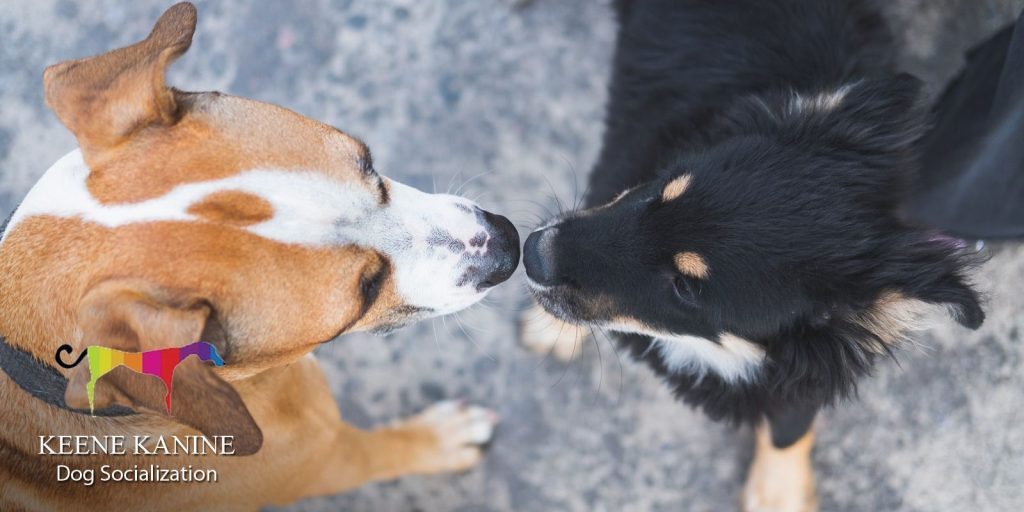
Interaction with both canines and humans is crucial. Setting up puppy playdates allows the opportunity for positive social experiences with other dogs. It’s advisable to start these interactions with calm, vaccinated dogs that have established good behaviors. Environments like dog training schools, where puppies can engage in supervised socialization, can also be excellent for this purpose. Additionally, introducing various human interactions, from children to the elderly, can help the puppy grow accustomed to different behavior styles and physical appearances, allowing them to remain calm in the presence of diversity.
Exploring Community Resources
In Nigeria, community resources and veterinarian-led programs can enhance socialization efforts. Many veterinary clinics or dog training centers offer classes specifically designed for socializing puppies. Engaging in these programs not only shields you as an owner from potential mishaps during socialization but also places your puppy in the hands of trained professionals who can share knowledge and provide guidance. Networking with local dog owners can produce socialization opportunities that you may not have considered, such as joining specific dog breed groups or online communities dedicated to pet ownership.
Ultimately, the effectiveness of socialization hinges on the owner’s initiative and consistency. It is vital to remember that each puppy is unique, with varying levels of receptivity to social experiences. Tailoring the above methods to suit your puppy’s individual personality and pace can lead to a lifetime of companionship characterized by trust, joy, and remarkable resilience. As your puppy grows into a well-adjusted adult dog, you’ll find that these early socialization efforts have paid off exponentially.
RECOMMENDED: Check out this similar article
Conclusion
In summary, the journey of socializing a puppy is not merely a phase; it’s a fundamental building block that shapes their future behavior and emotional health. The importance of socialization in puppies cannot be overstated, as it lays the groundwork for developing a well-adjusted and confident adult dog. By employing effective training methods such as positive reinforcement, crafting a socialization schedule, facilitating various canine and human interactions, and leveraging community resources, dog owners can significantly enhance their puppies’ experiences.
Puppies are impressionable, and their early interactions play a critical role in helping them navigate the world comfortably. Engaging them in diverse environments—from bustling markets to tranquil parks—creates enriching experiences that contribute to their adaptability. Furthermore, these socialization techniques promote essential skills that prevent behavioral issues and foster a harmonious relationship between pets and their owners.
As you embark on this rewarding journey, remember that patience and consistency are your allies. Tailoring the training approach to your puppy’s unique personality will yield lasting benefits, not just for the dog but for the entire household. Embrace the opportunity to create a vibrant, sociable canine companion who thrives in various settings. After all, a well-socialized puppy is not just a joy to have but also a reflection of a well-committed and informed owner. By prioritizing early socialization, you are investing into a future filled with cherished memories and companionship—an investment worth making.

Linda Carter
Linda Carter is a writer and pet care expert specializing in pet health, grooming, and wellness. With extensive experience helping pet owners create safe, loving, and enriching environments for their animals, Linda shares her knowledge on our platform. Her goal is to empower readers with practical advice and strategies to ensure their pets thrive and lead joyful, healthy lives.